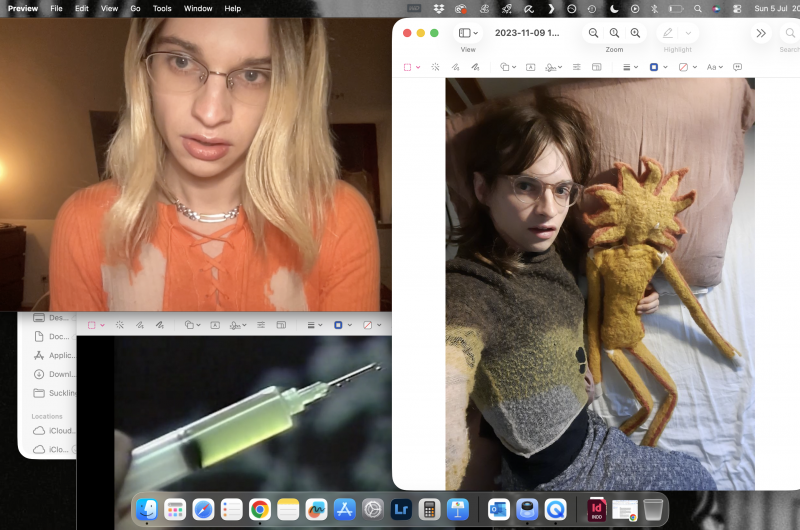
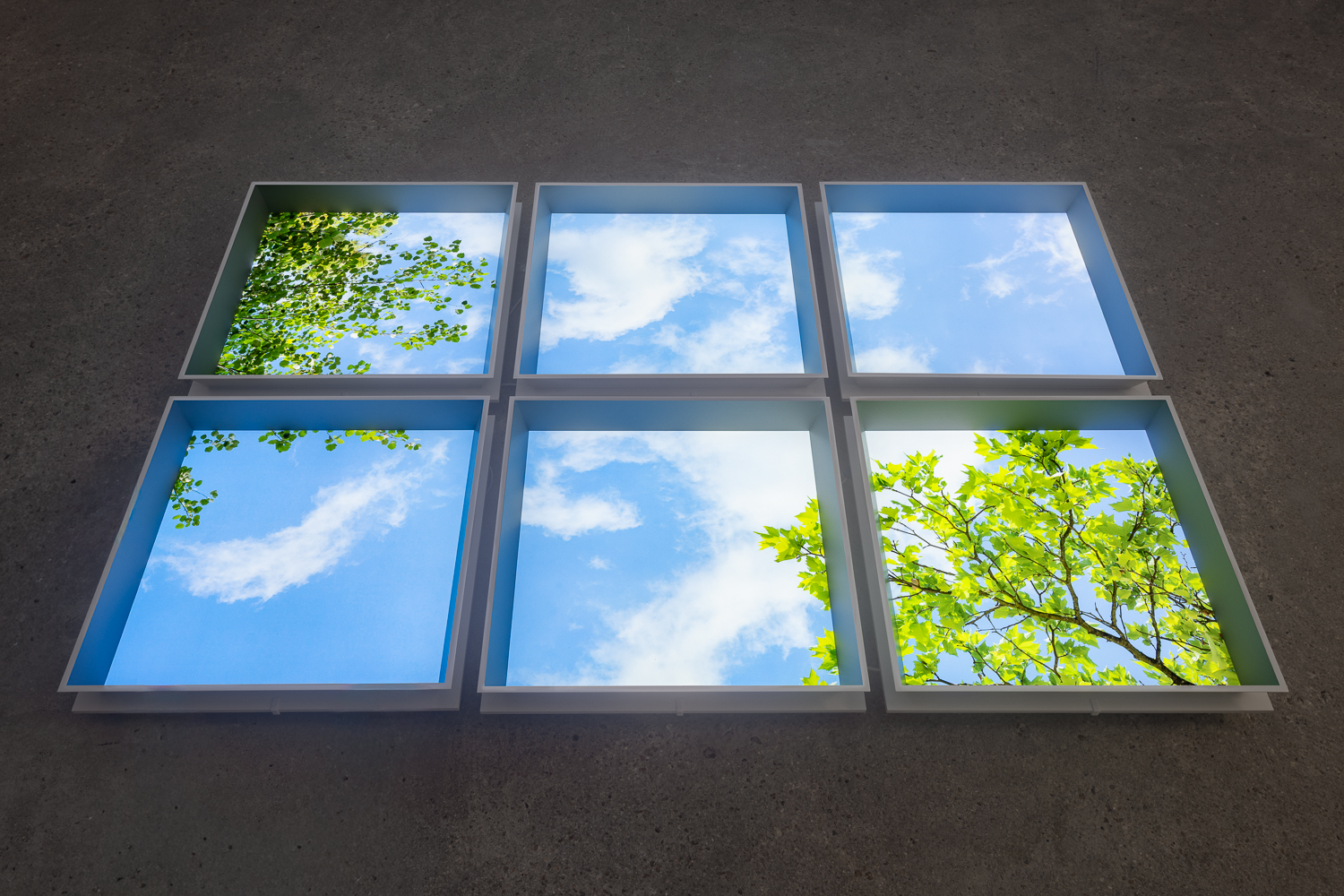
Racheal Crowther, Qualified to Care, 2022. Courtesy of the artist. Photo: Stephen James.
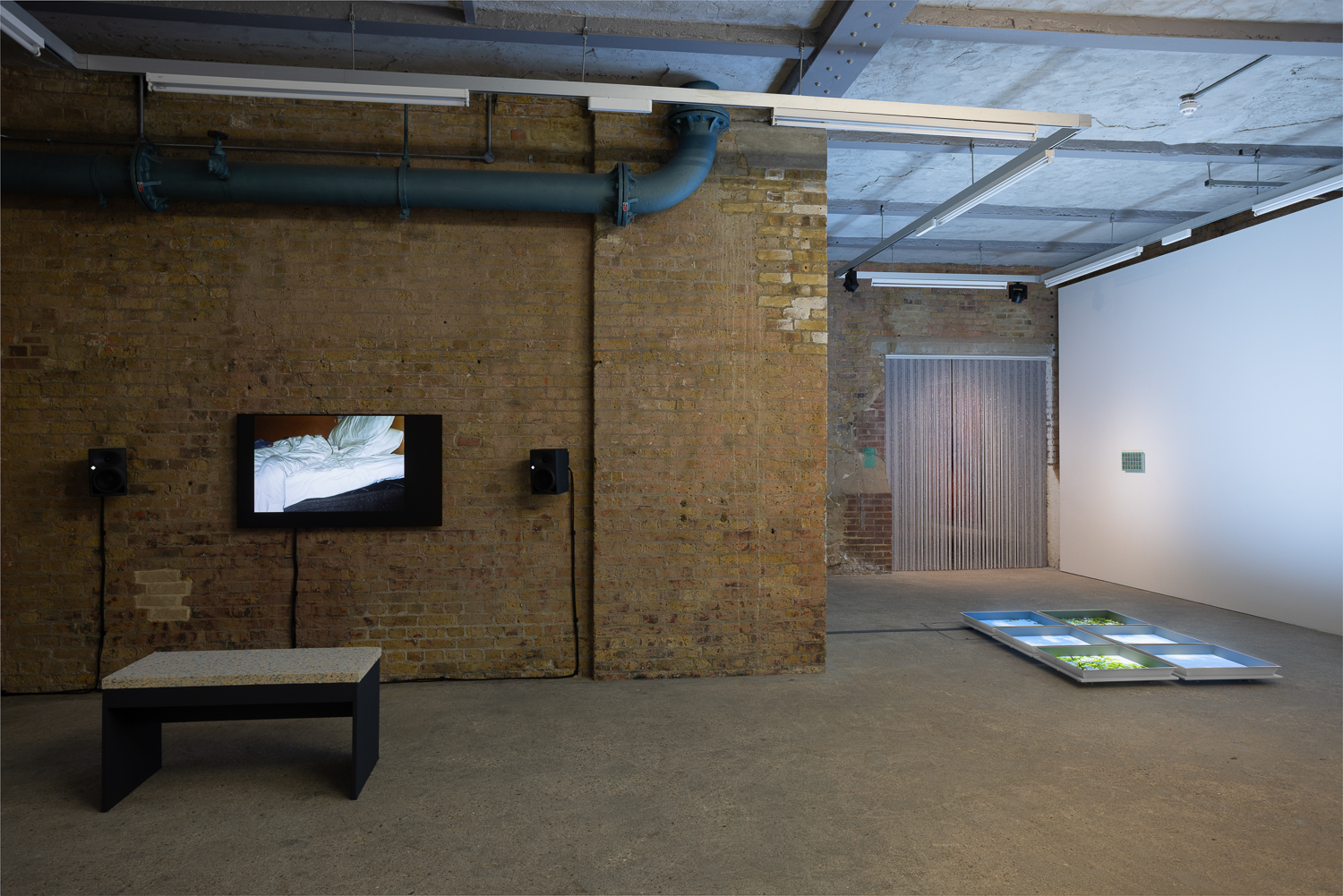
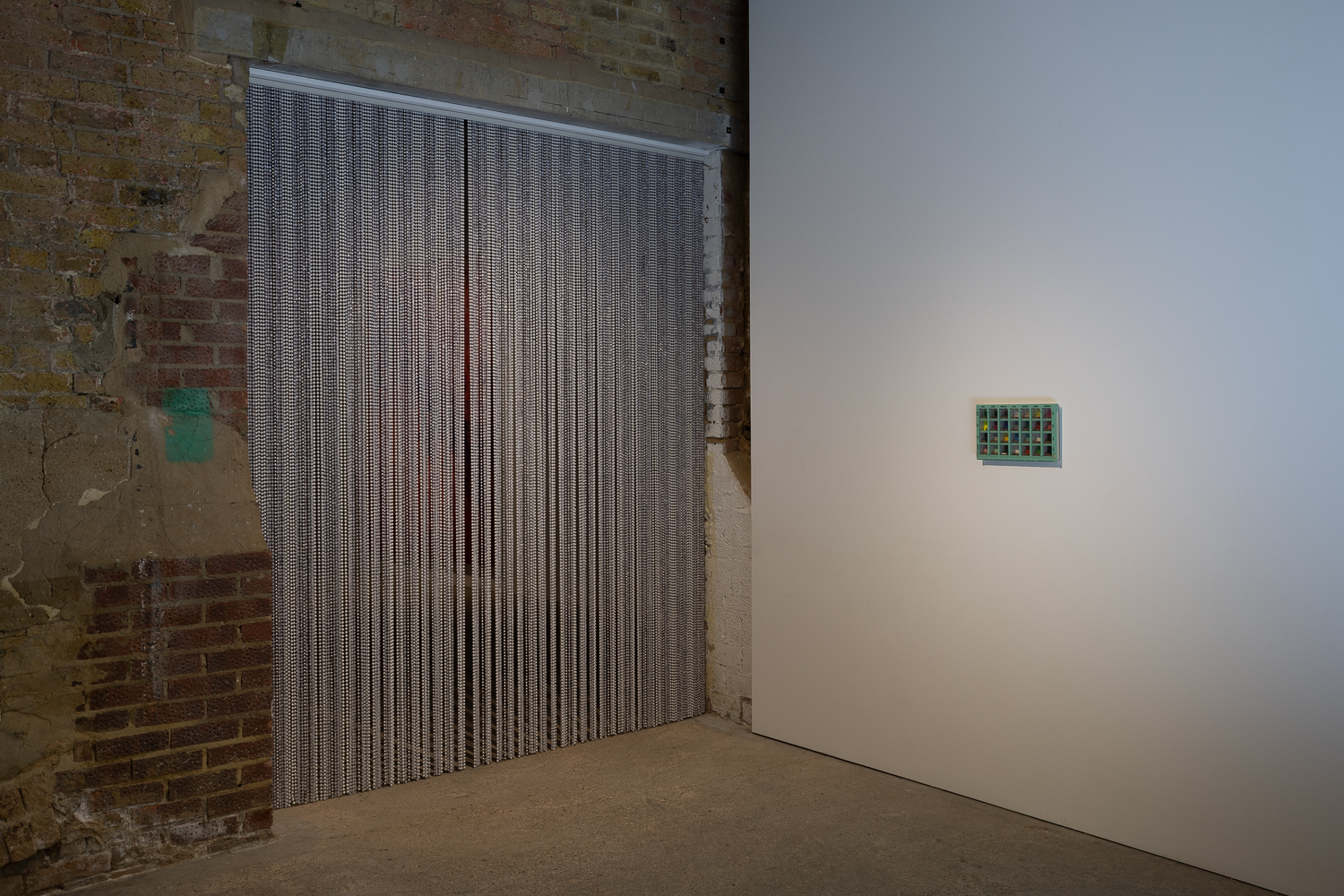
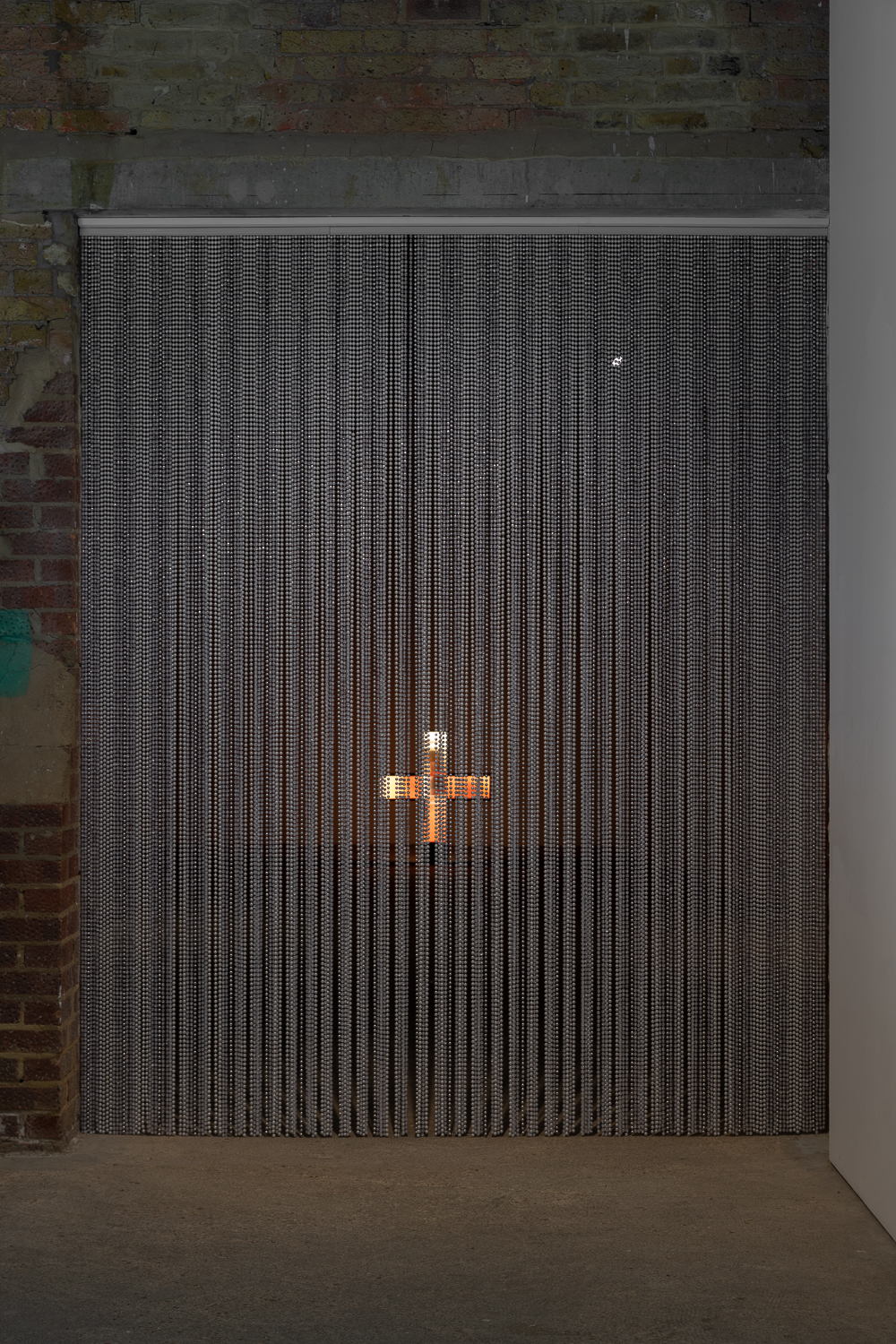
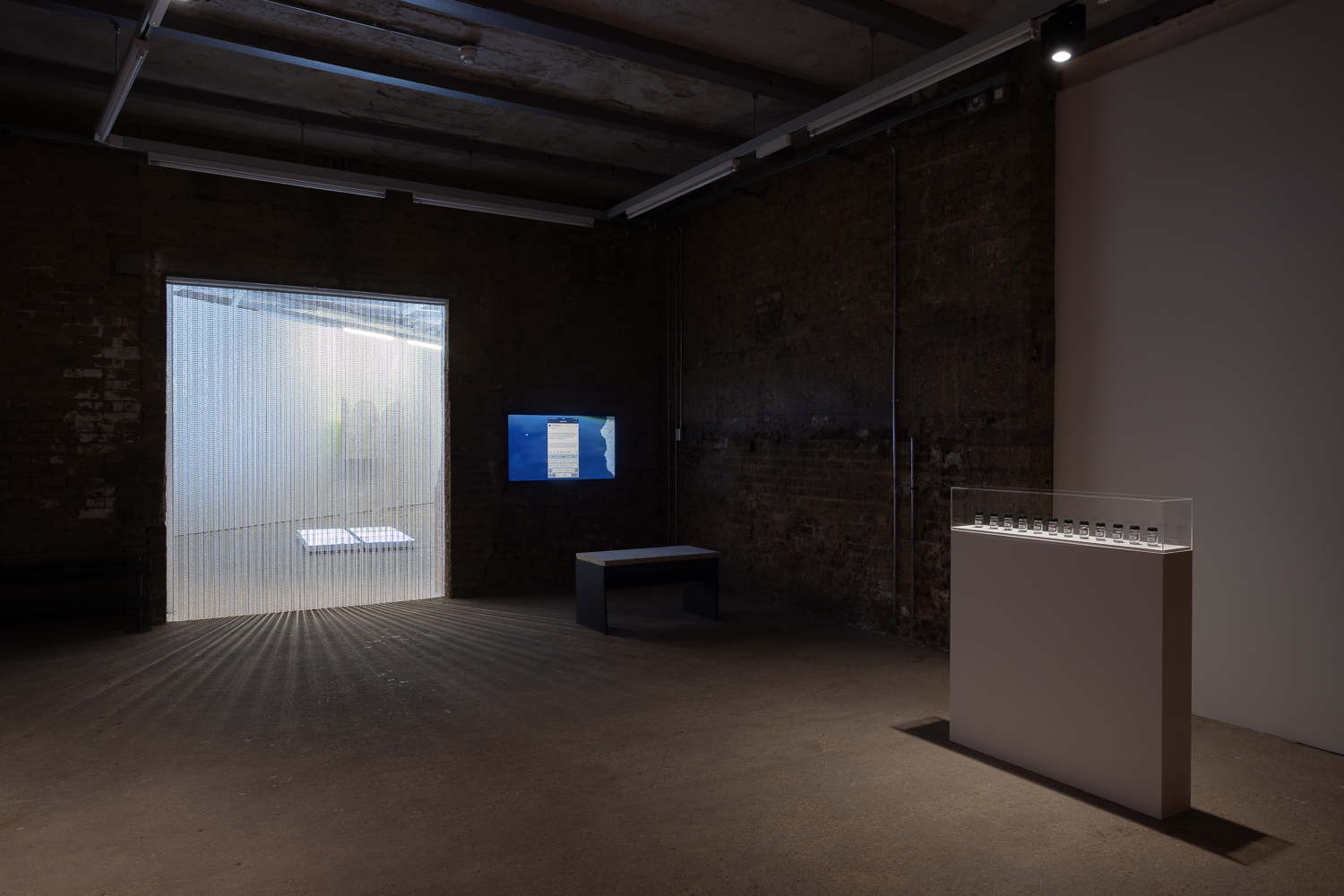
Installation view: Flare-Up (21 May –16 August 2026) at Goldsmiths Centre for Contemporary Art. Courtesy Goldsmiths CCA. Photo: Rob Harris.
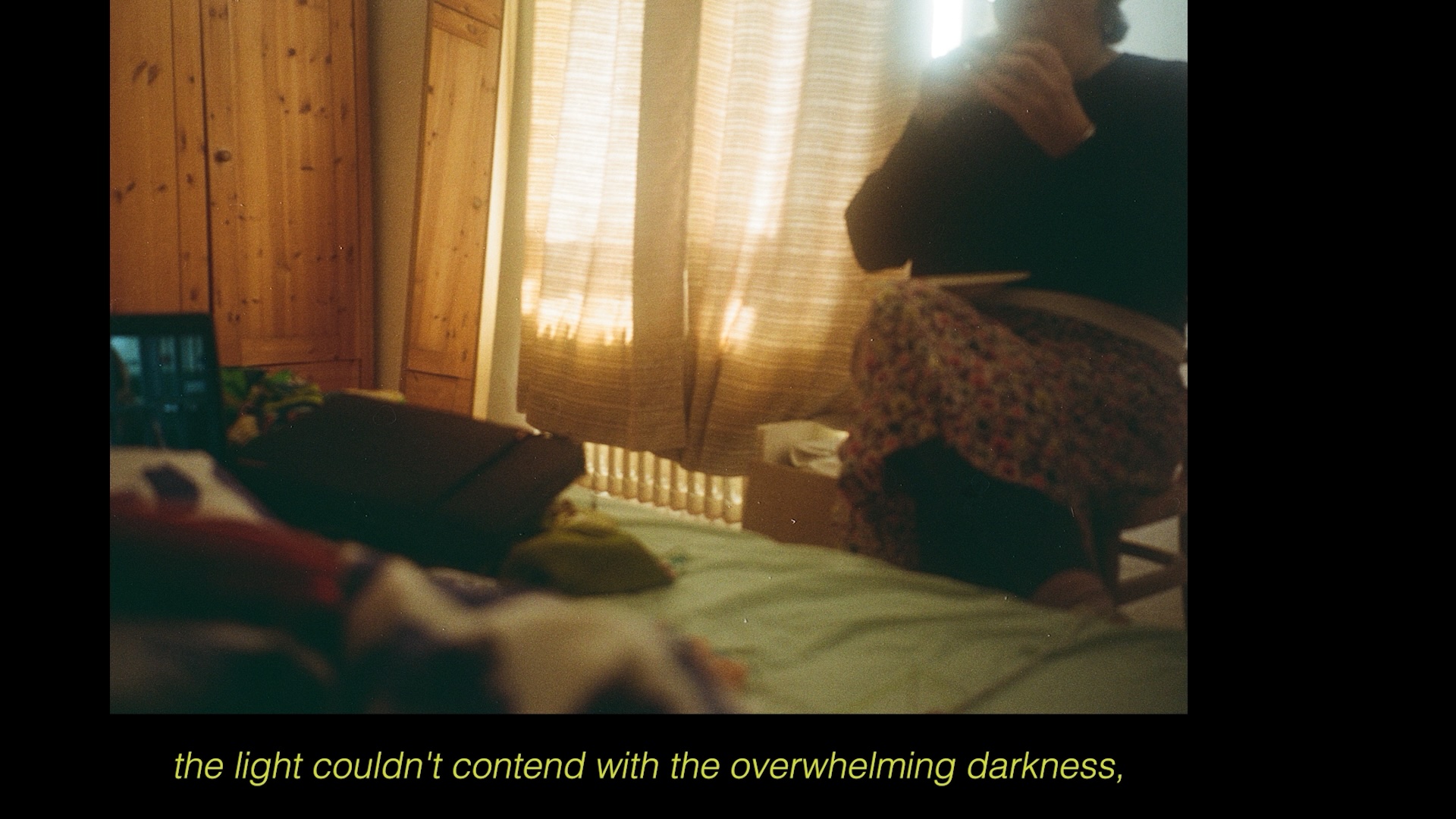
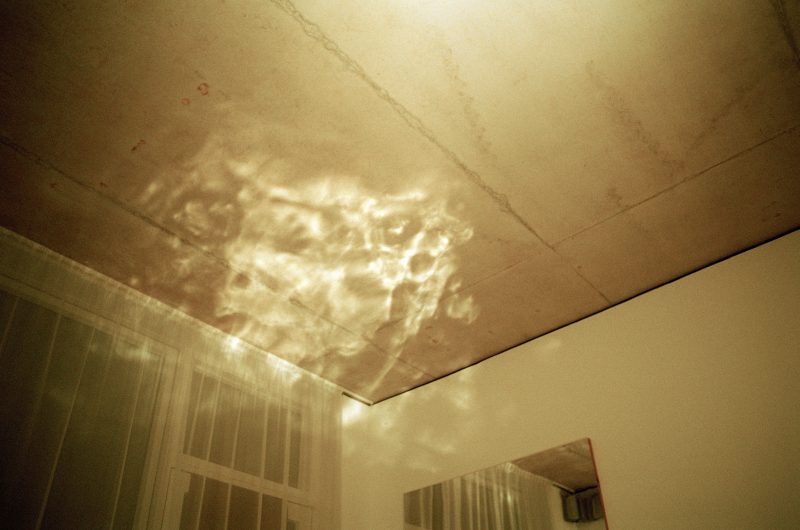
Jamila Prowse, Flare: the muted outline of a body in bed as a camera flash overtakes the scene, 2025 [still]. Courtesy of the artist.
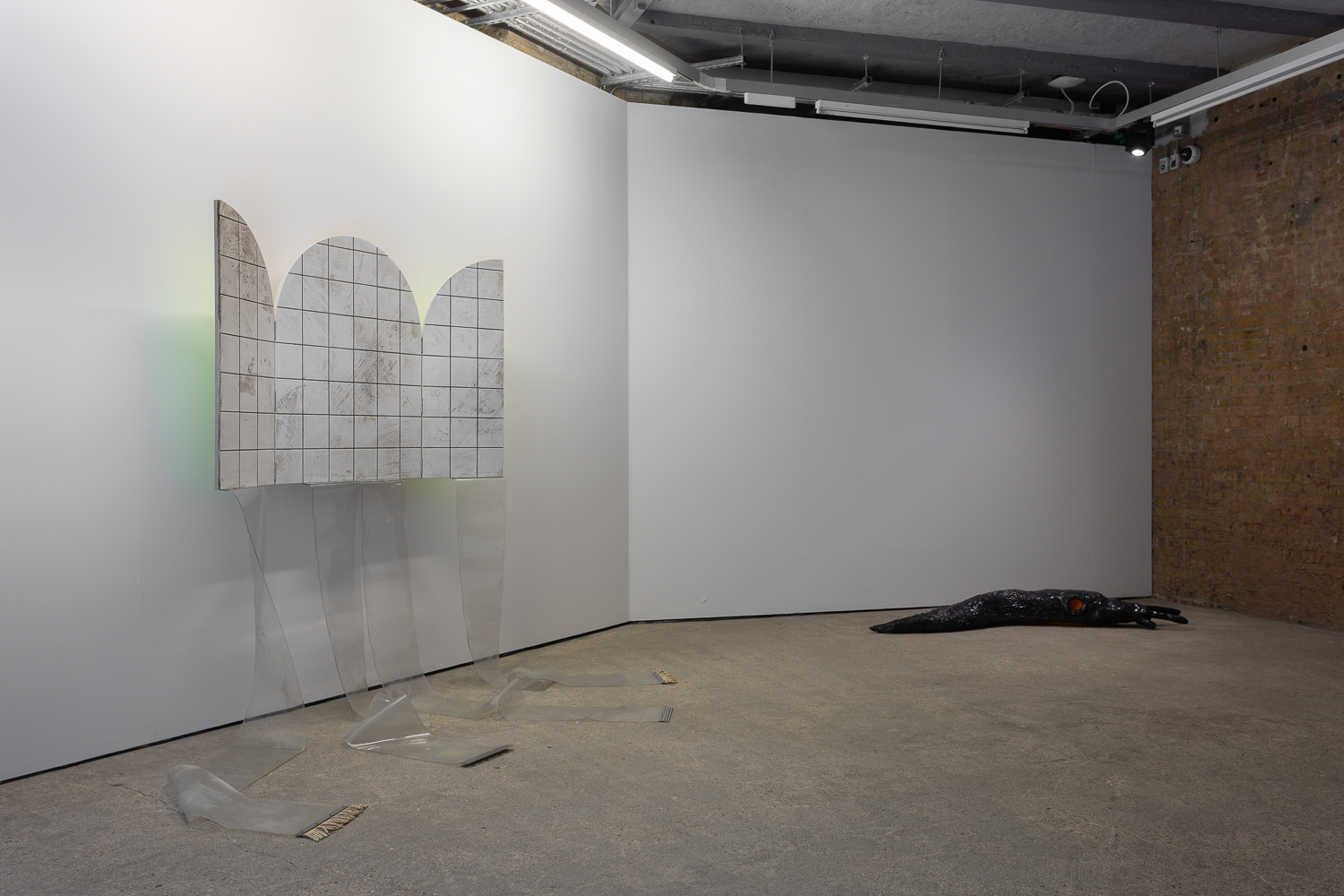
Installation view: Flare-Up (21 May –16 August 2026) at Goldsmiths Centre for Contemporary Art. Courtesy Goldsmiths CCA. Photo: Rob Harris.
Installation view: Flare-Up (21 May –16 August 2026) at Goldsmiths Centre for Contemporary Art. Courtesy Goldsmiths CCA. Photo: Rob Harris.
Installation view: Flare-Up (21 May –16 August 2026) at Goldsmiths Centre for Contemporary Art. Courtesy Goldsmiths CCA. Photo: Rob Harris.
Installation view: Flare-Up (21 May –16 August 2026) at Goldsmiths Centre for Contemporary Art. Courtesy Goldsmiths CCA. Photo: Rob Harris.
Installation view: Flare-Up (21 May –16 August 2026) at Goldsmiths Centre for Contemporary Art. Courtesy Goldsmiths CCA. Photo: Rob Harris.
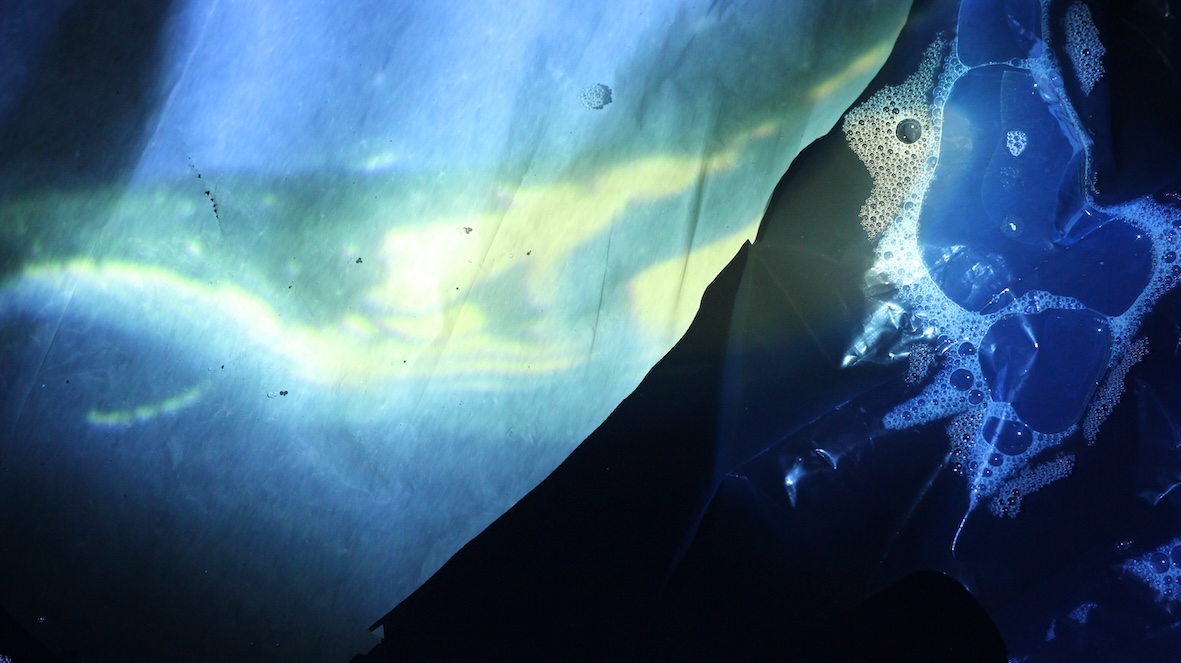
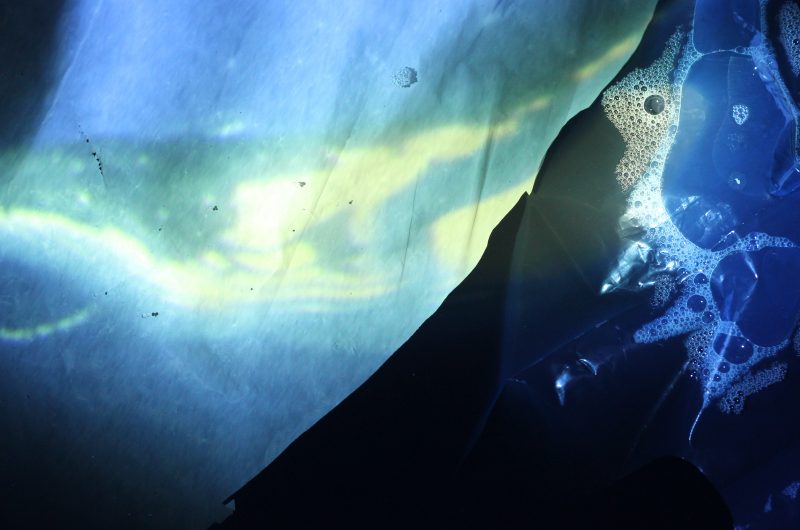
Lizzy Rose, Sick, blue sea, 2018 [still]. Courtesy of the estate of Lizzy Rose/Christine Luck.
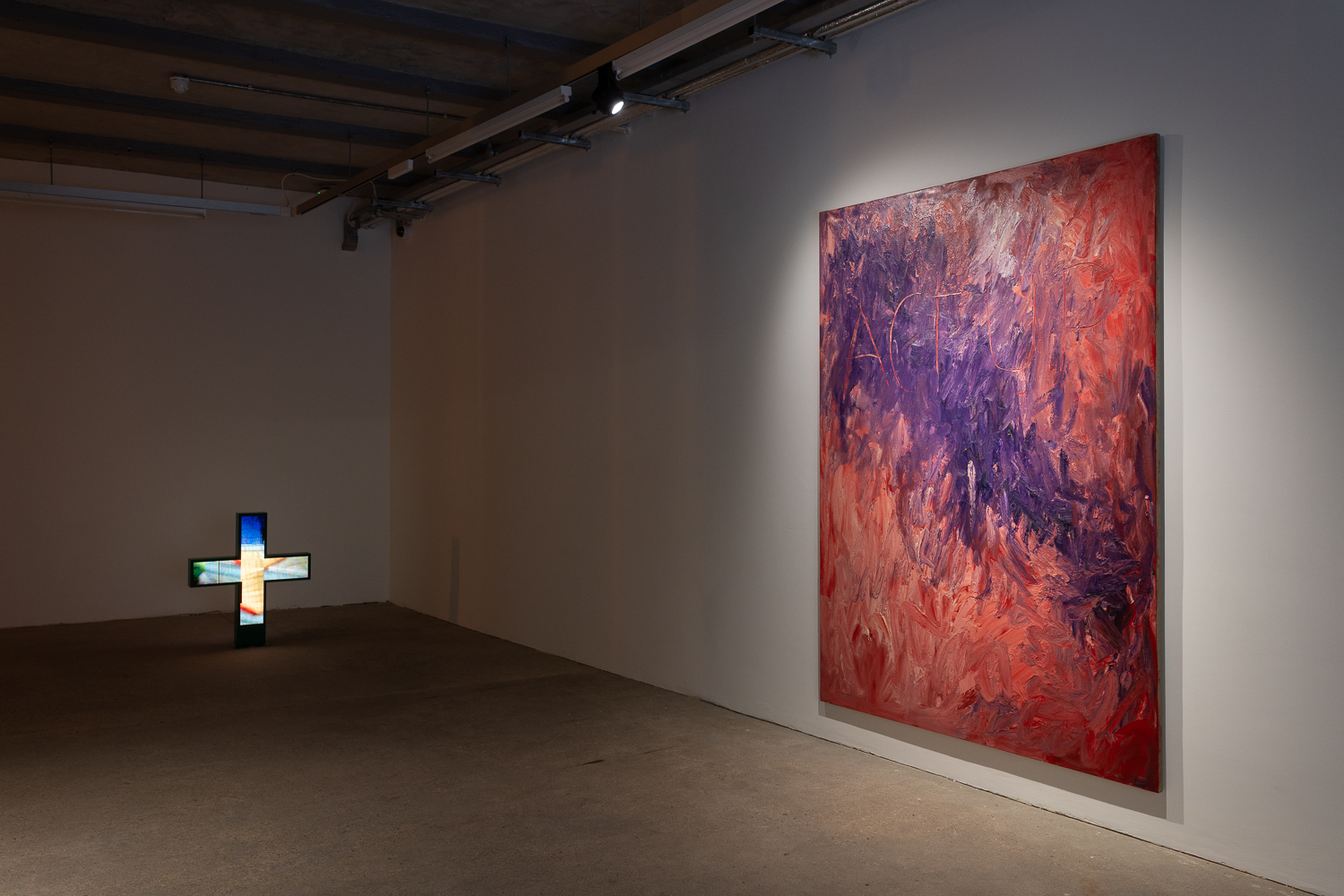
Installation view: Flare-Up (21 May –16 August 2026) at Goldsmiths Centre for Contemporary Art. Courtesy Goldsmiths CCA. Photo: Rob Harris.
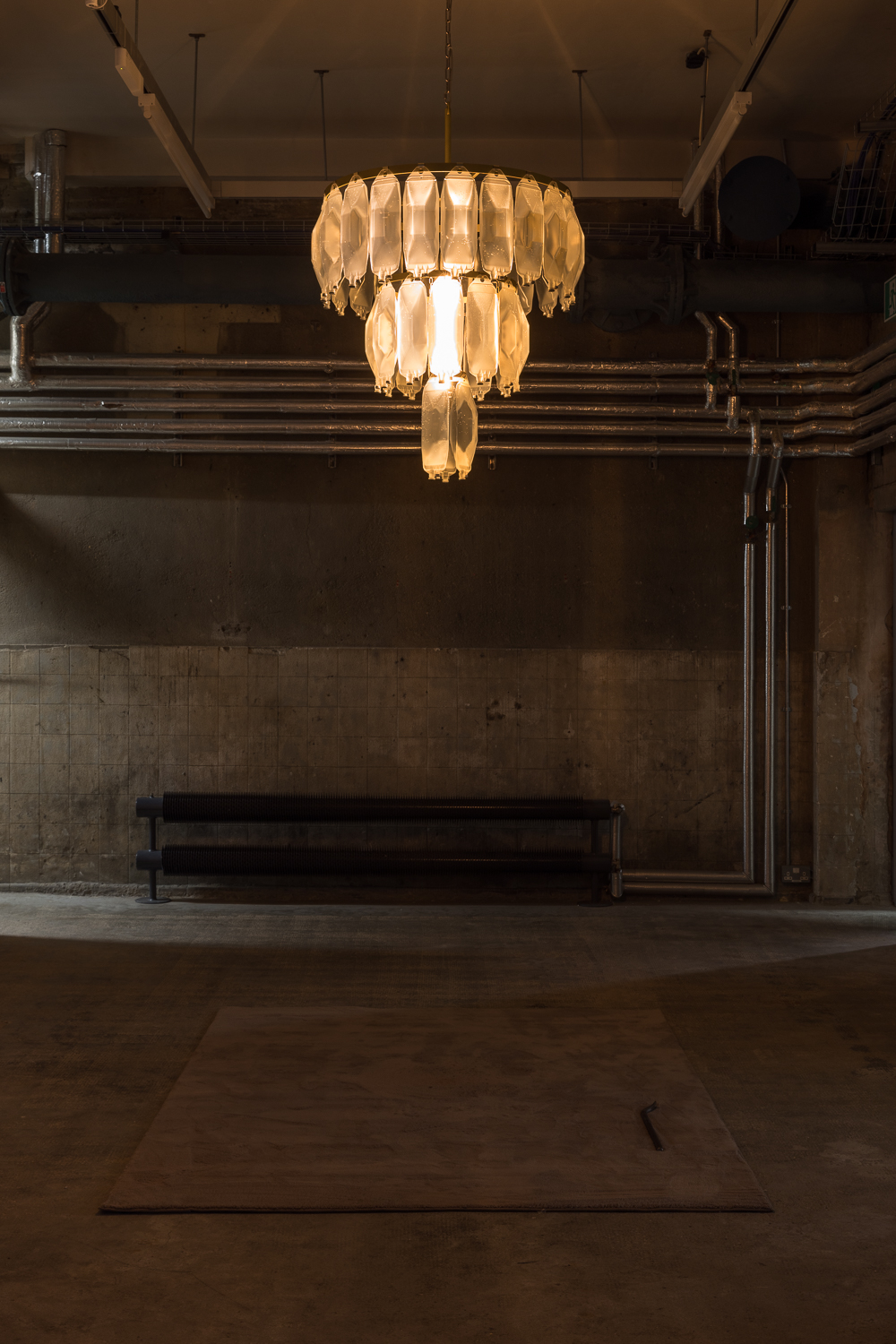
Installation view: Flare-Up (21 May –16 August 2026) at Goldsmiths Centre for Contemporary Art. Courtesy Goldsmiths CCA. Photo: Rob Harris.
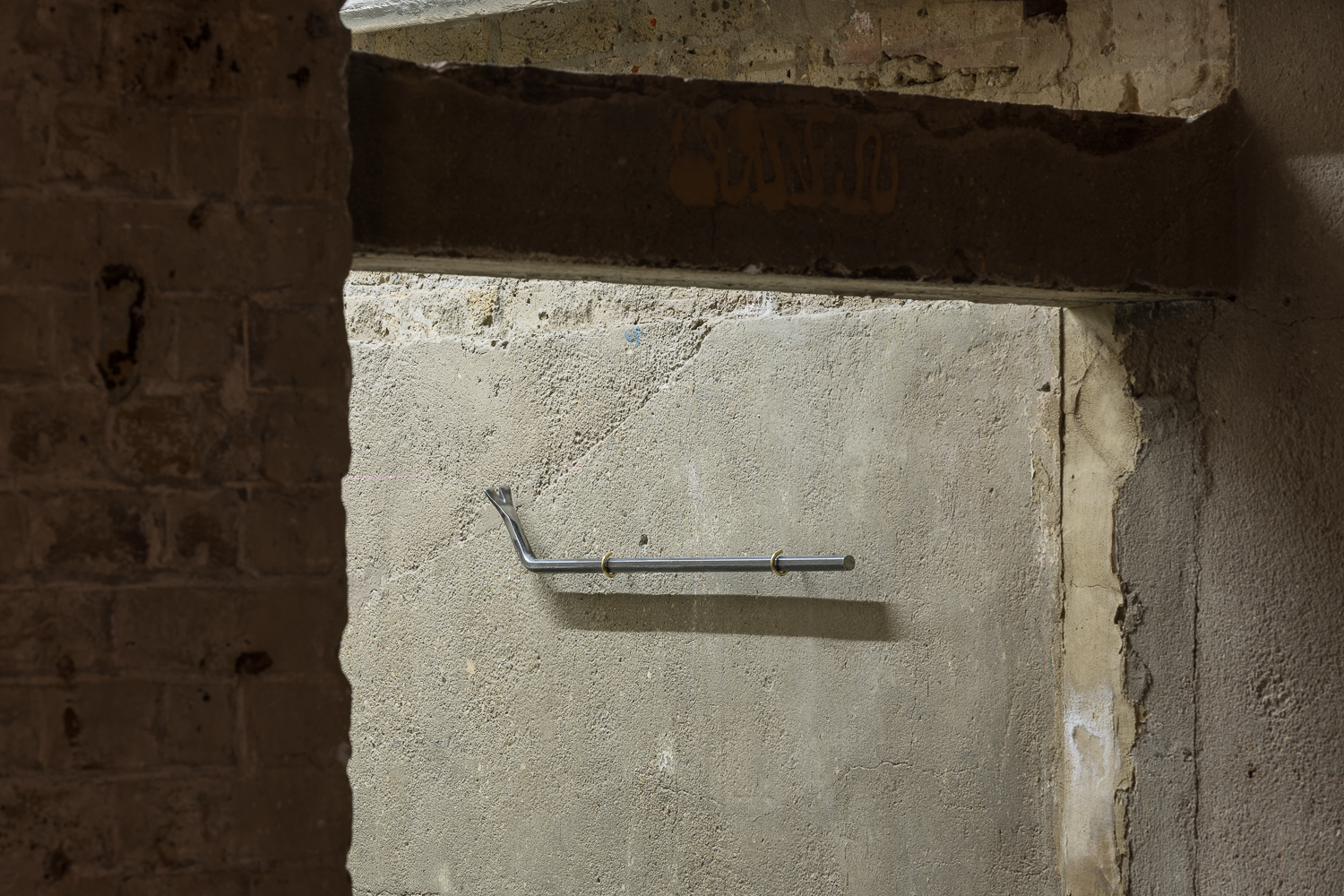
Installation view: Flare-Up (21 May –16 August 2026) at Goldsmiths Centre for Contemporary Art. Courtesy Goldsmiths CCA. Photo: Rob Harris.
Installation view: Flare-Up (21 May –16 August 2026) at Goldsmiths Centre for Contemporary Art. Courtesy Goldsmiths CCA. Photo: Rob Harris.
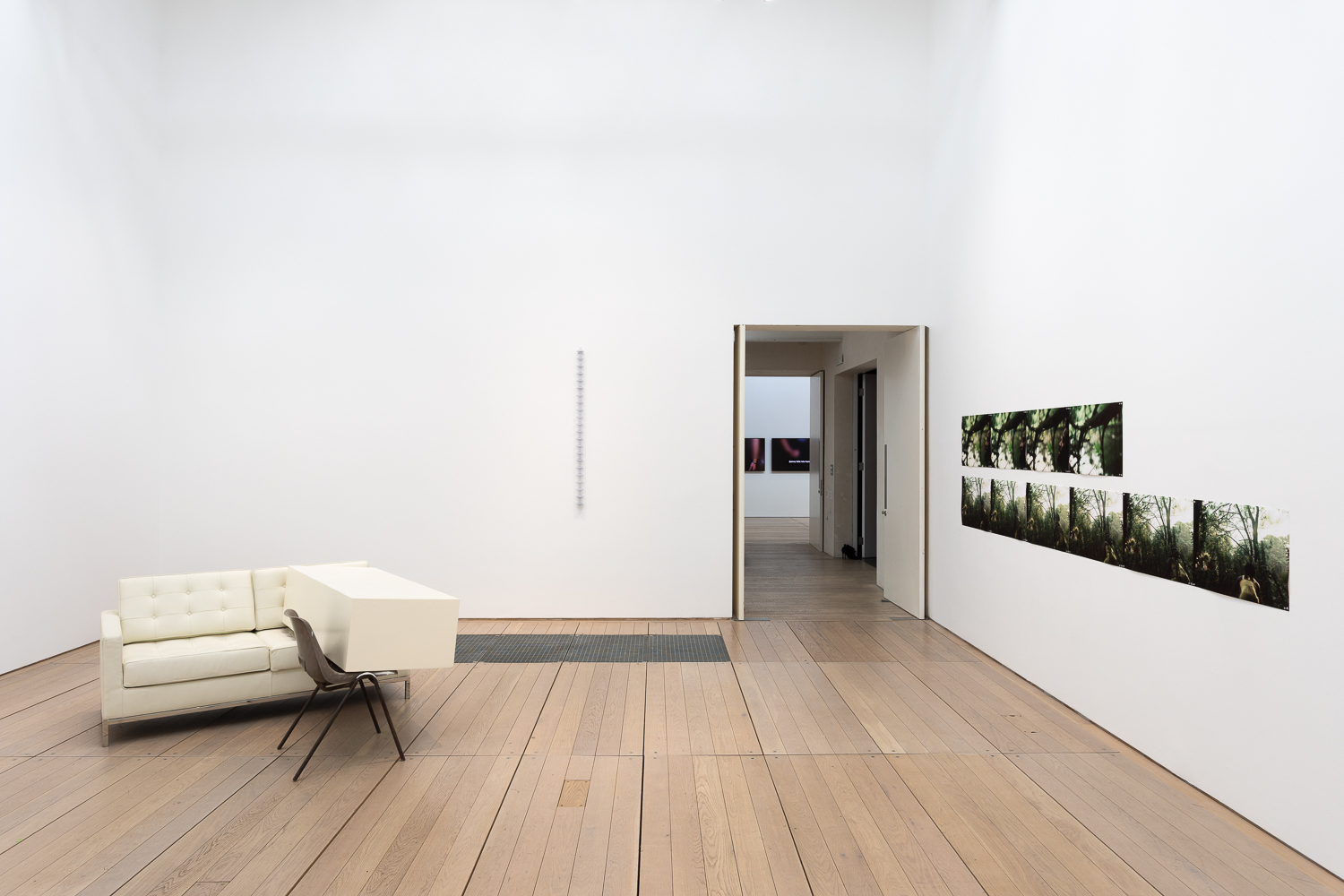
Installation view: Flare-Up (21 May –16 August 2026) at Goldsmiths Centre for Contemporary Art. Courtesy Goldsmiths CCA. Photo: Rob Harris.
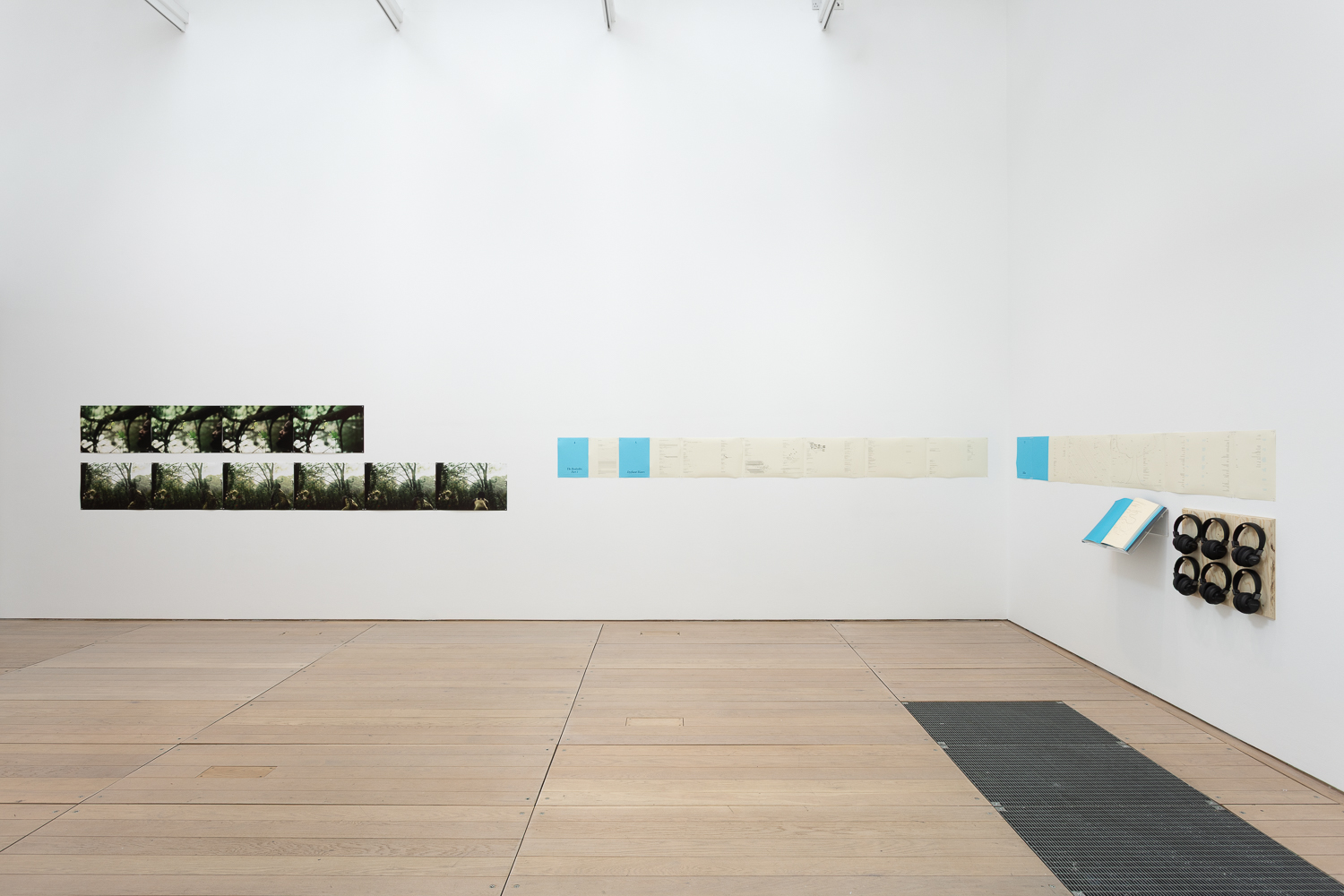
Installation view: Flare-Up (21 May –16 August 2026) at Goldsmiths Centre for Contemporary Art. Courtesy Goldsmiths CCA. Photo: Rob Harris.
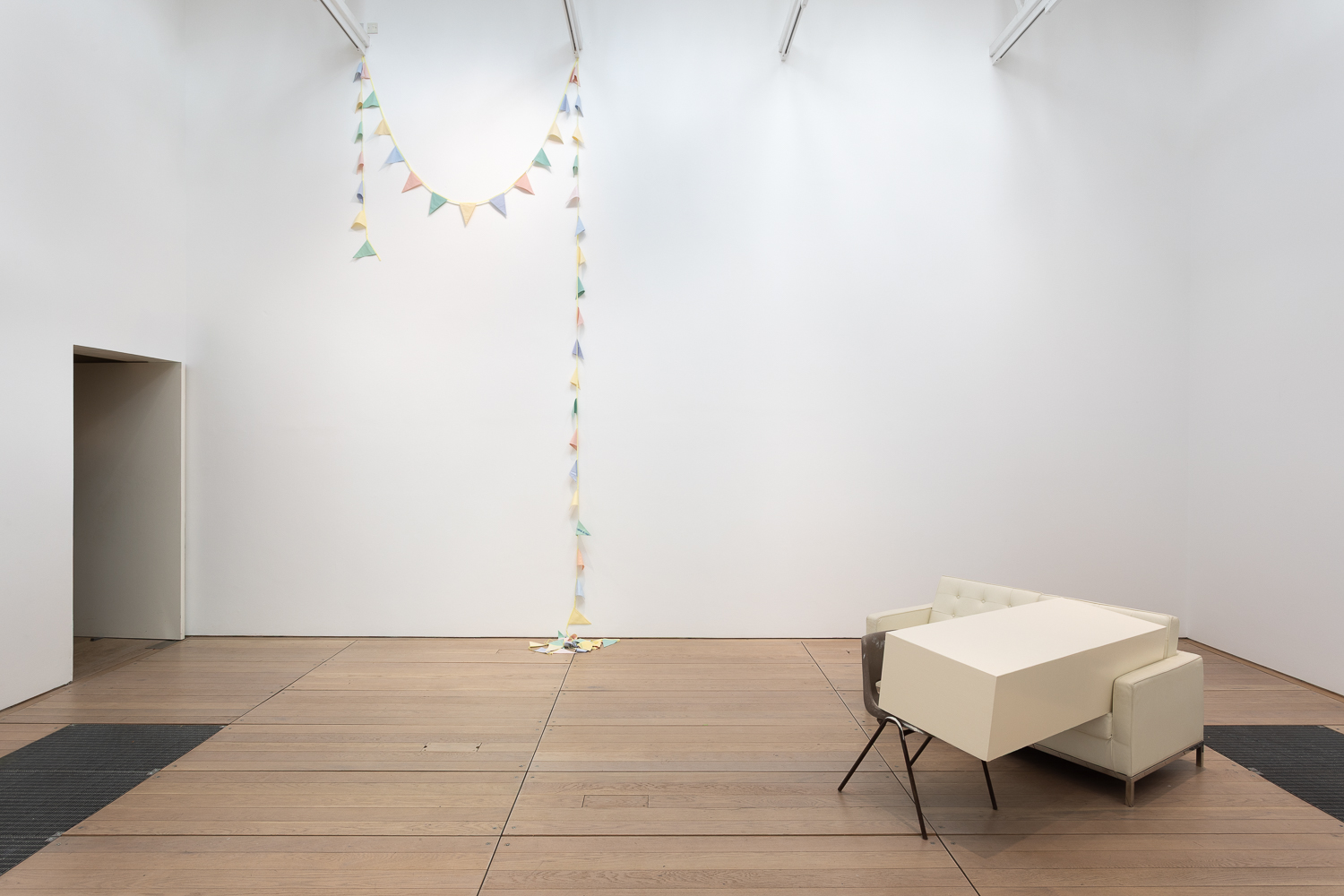
Installation view: Flare-Up (21 May –16 August 2026) at Goldsmiths Centre for Contemporary Art. Courtesy Goldsmiths CCA. Photo: Rob Harris.
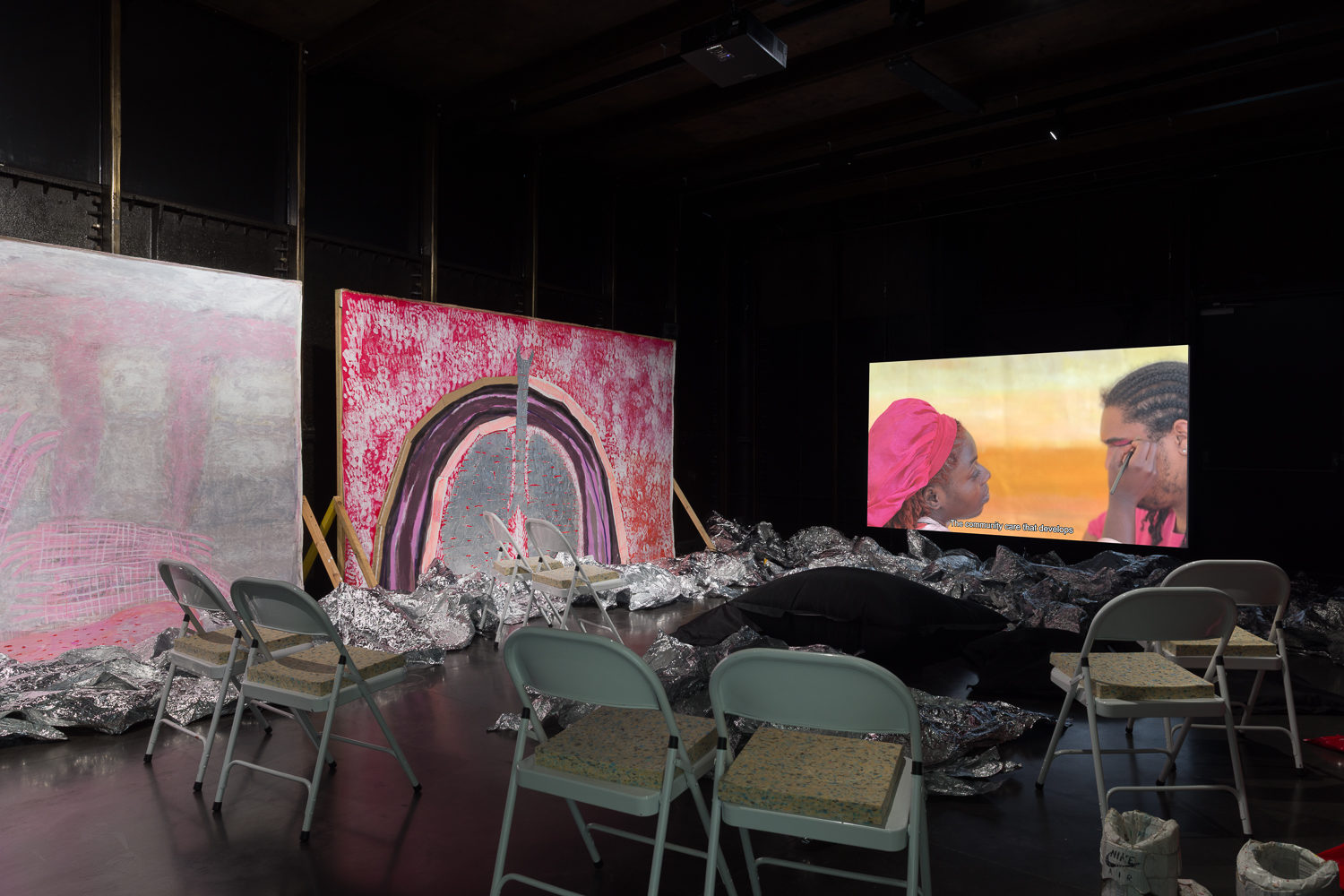
Installation view: Flare-Up (21 May –16 August 2026) at Goldsmiths Centre for Contemporary Art. Courtesy Goldsmiths CCA. Photo: Rob Harris.
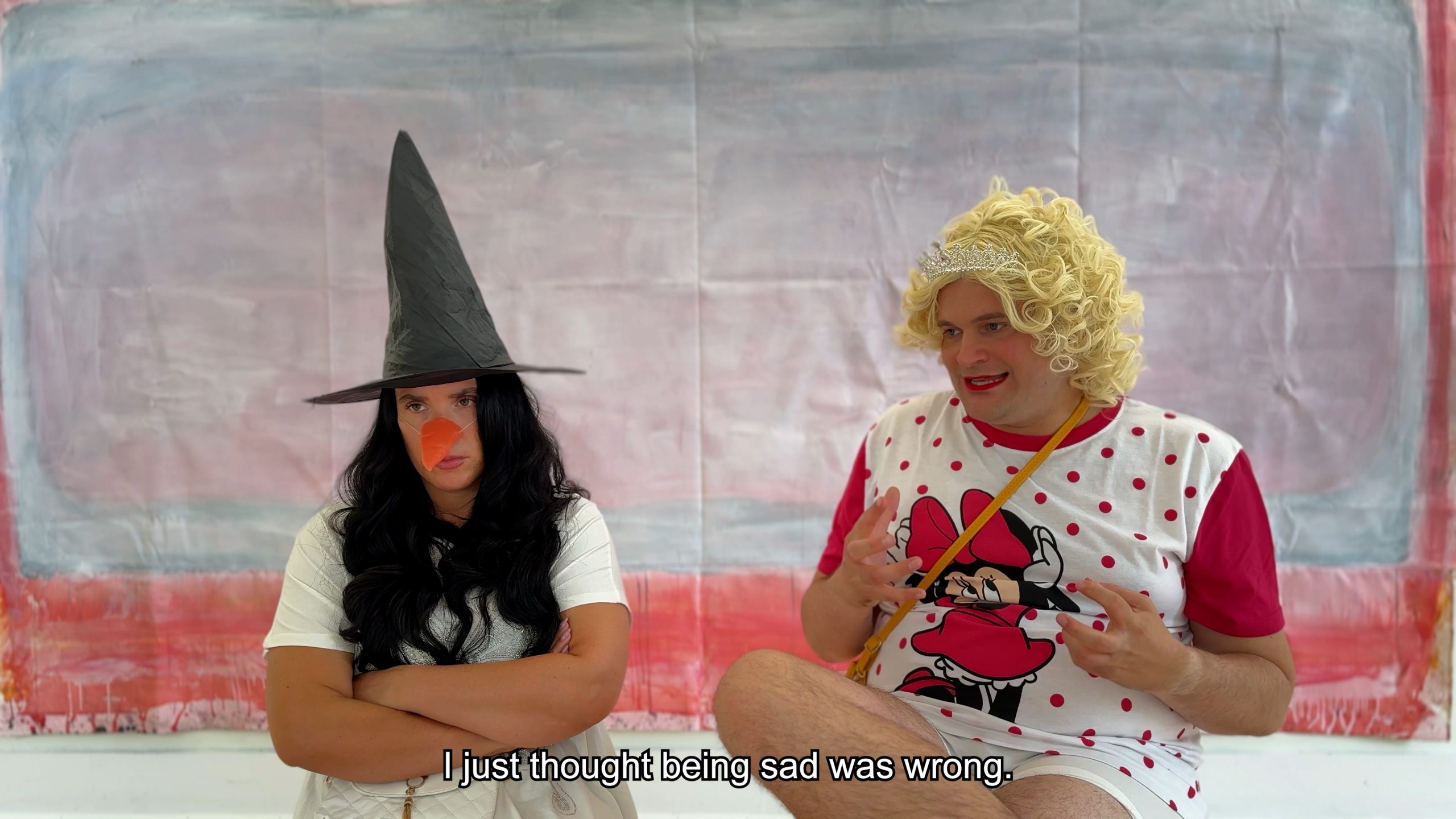
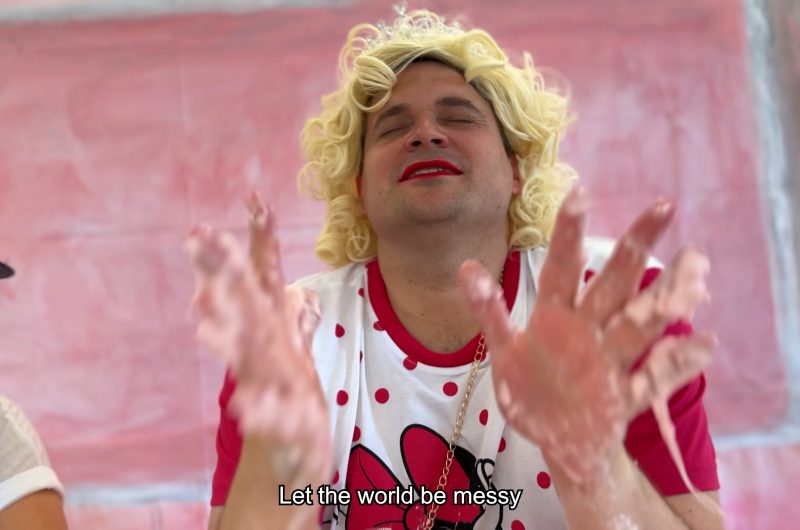
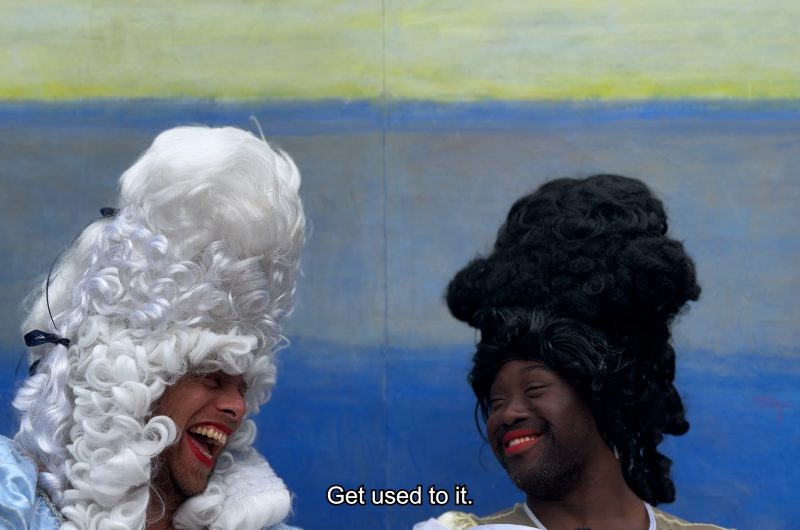
Freestylers, Honey You Are Art, 2024 [still]. Courtesy of the artists.
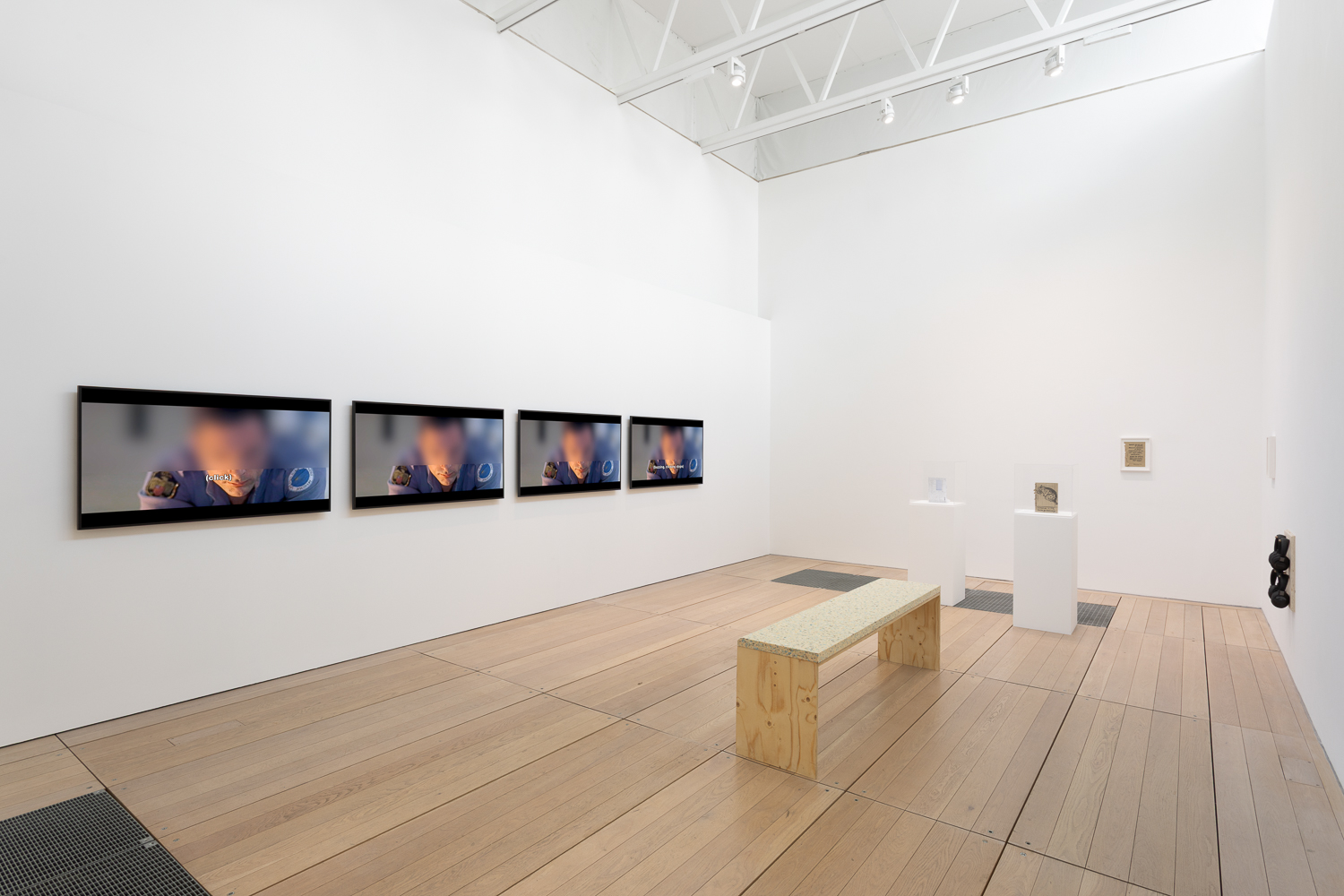
Installation view: Flare-Up (21 May –16 August 2026) at Goldsmiths Centre for Contemporary Art. Courtesy Goldsmiths CCA. Photo: Rob Harris.
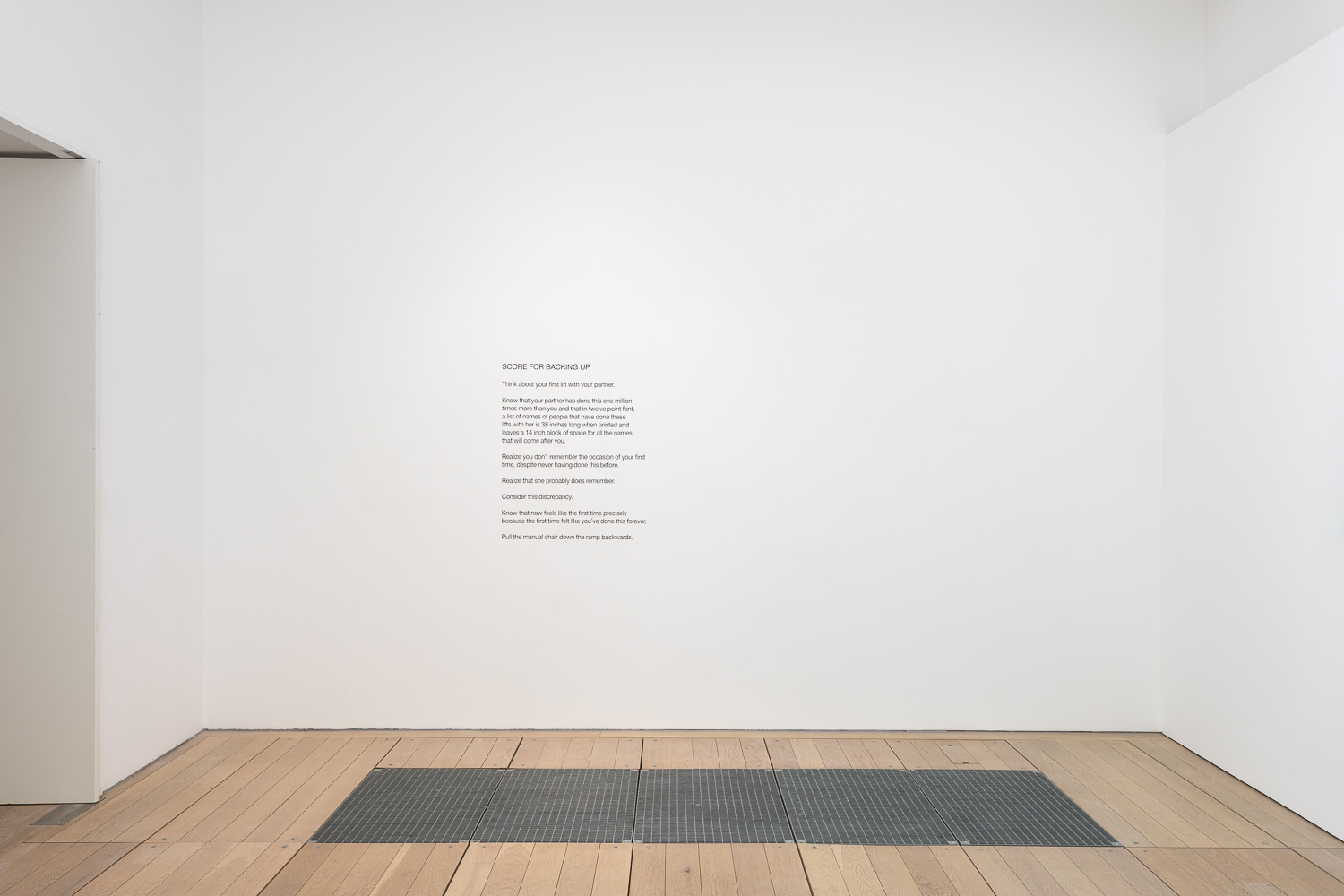
Installation view: Flare-Up (21 May –16 August 2026) at Goldsmiths Centre for Contemporary Art. Courtesy Goldsmiths CCA. Photo: Rob Harris.
FLARE-UP
Artists: Angela de la Cruz, Abi Palmer, Avril Corroon, Bella Milroy, Benoît Piéron, Carolyn Lazard, Christine Sun Kim, Constantina Zavitsanos, Derek Jarman, Felix Gonzalez-Torres, Freestylers, Jamila Prowse, Jesse Darling, JJJJJerome Ellis, Leah Clements, Lizzy Rose, Park McArthur, RA Walden and Racheal Crowther.
Audio descriptions for all the artworks in Flare-Up are available here on our website. A transcript of all the audio descriptions can be found at this link.
Flare-Up was the first institutional exhibition in London to bring together UK-based and international visual artists whose work engages with the poetics and aesthetics of illness, disability, neurodivergence and Deafness. Presenting work by nineteen artists across Goldsmiths CCA, the exhibition brought together sculpture, installation, painting, film, poetry, music and performance as tools of expression and activism.
A flare-up refers to the fluctuating intensification of symptoms associated with chronic conditions; in music, a flare is a surge in volume or energy – an escalation that can also be celebratory. The exhibition drew on this affective quality, presenting works that use light, sound and water to engage with transcendence, mourning and joy. Many works addressed the daily rituals of care – or survival – alongside the labour of access. They also attended to the spiritual and redemptive, whether through hope placed in a medical system where much remains unexplained, or through the bodily and emotional intensities of pain, exclusion and alienation, intercut with intimacy and pleasure.
Built in 1898 as a washhouse, the CCA formed part of a civic architecture designed to address health and sanitation in a rapidly urbanising area. Ideas of public health, and the structural conditions that govern illness, were presented in a new commission by Avril Corroon that extended her project GOT DAMP (2023), which examines substandard housing conditions in London and Dublin and collective resistance to landlord neglect. The work used dehumidifier water collected from homes affected by damp as part of an installation and performance that considered the intersection of poverty and health.
State intervention and the expanding authority of medicine and psychology remained materially present in the glazed tiles and exposed pipes that once channelled water to the baths and laundries of the CCA. This architecture connected to Jesse Darling’s three-panel altarpiece, The Cleansing of the Temple (Luke 19:46) (2024), which was made from generic white bathroom tiles smeared with dirt, drawing on religious narratives of purification and fears of contagion.
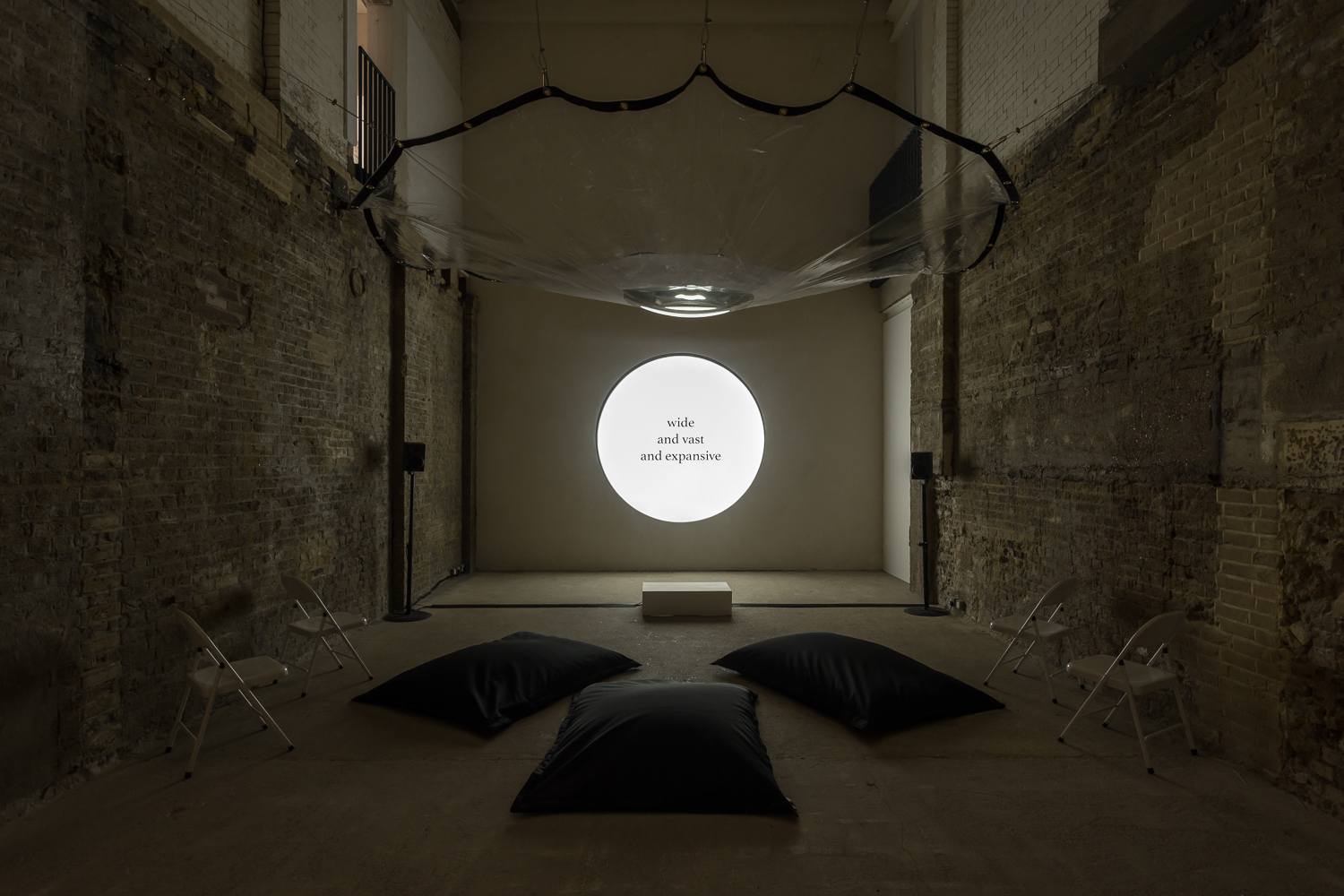
Water recurred across the works of Leah Clements, Lizzy Rose, Jjjjjerome Ellis, and RA Walden as a medium that signaled fluidity and transformation, in resistance to binary distinctions such as well/unwell, and human/non-human. A major new commission by Leah Clements, titled Pure Joy took the form of a sound installation recounting a near-death experience that resisted scientific explanation. Relayed beneath a suspended tarpaulin filled with water, through which rays of light refract, it staged an encounter that oscillates between otherworldly states.
A flare is also a burst of light – a warning, a signal for help, or an illumination of what has been previously hidden. Flare-Up foregrounded how artistic practices generate sites of collectivity and resistance, countering the socially dispossessing effects of ableism and austerity. Institutions for education, healthcare or welfare regulate bodies and determine eligibility, competence, and capacity. Bella Milroy’s Violence in the Form of Stationery (2018) was one in a series of drawings and poems on brown envelopes – known for containing life-altering decisions from the Department for Work and Pensions (DWP) – foregrounding the violence embedded in the materiality of this correspondence.
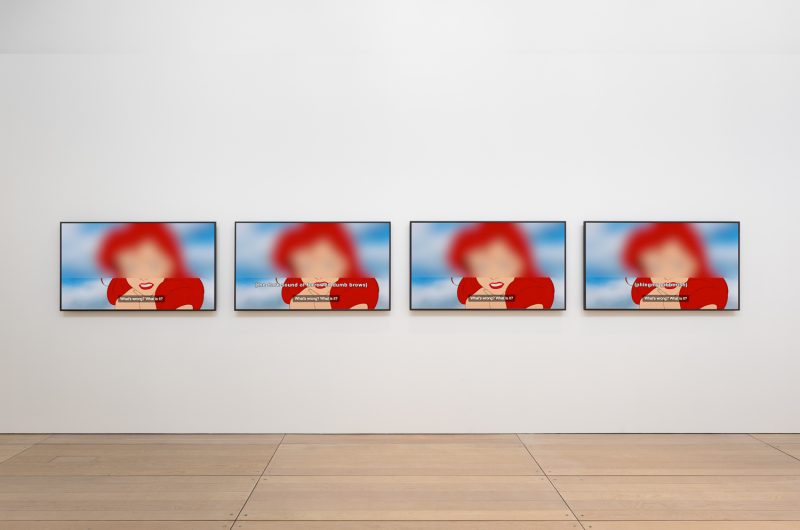
Across the works of Christine Sun Kim, JJJJJerome Ellis and Bella Milroy, language operated both as an instrument of state control and as a site of invention. Disfluency, the stammer, silence, mistranslation and creative captioning became generative strategies using language. In Sun Kim’s Close Readings (2015), sound was rendered visual, challenging normative assumptions about hearing and communication. In Ellis’s work, rhythmic disruption reorganised temporality itself; the gaps and spaces in between were where imagination flared and Black experience resided. These artworks complexified reductive representations of disability that reinforce structural injustice. Access was used creatively, not just as a formal device to reduce barriers to diverse groups, but as a conceptual method intrinsic to the work; for example, the captions used in Sun Kim’s work not only showed the richness of this medium if used creatively, but also overwhelmed the viewer with too much information, rendering it inaccessible to all.
The exhibition attended to the reclamation of crip identity – the strategic reappropriation of a pejorative term to forge political agency, collectivity and pride. Influenced by queer and feminist thought, “crip” operated here as a critical framework through which some artists aligned their work. Flare-Up did not impose a singular definition; rather, it presented multiplicity, contradiction and interdependency.
Several works engaged with crip time, the concept describing how illness and disability bend and distort temporal experience through symptoms, medication, exhaustion or enforced rest. Crip time also marks the labour required to undertake tasks and the energy consumed by access needs. The necessity of slowing down became a critique of capitalist imperatives of productivity. RA Walden’s installation Crip Ecologies (2018-ongoing) folded temporal distortion into non-human relations: organic materials were displayed in glass jars gathered within the limits of the artist’s bodily range on a given day, making pace and capacity integral to the work’s form. Similarly, Abi Palmer’s sculpture Chic Slug (2025) humorously celebrated post-human, queer and slower temporalities.
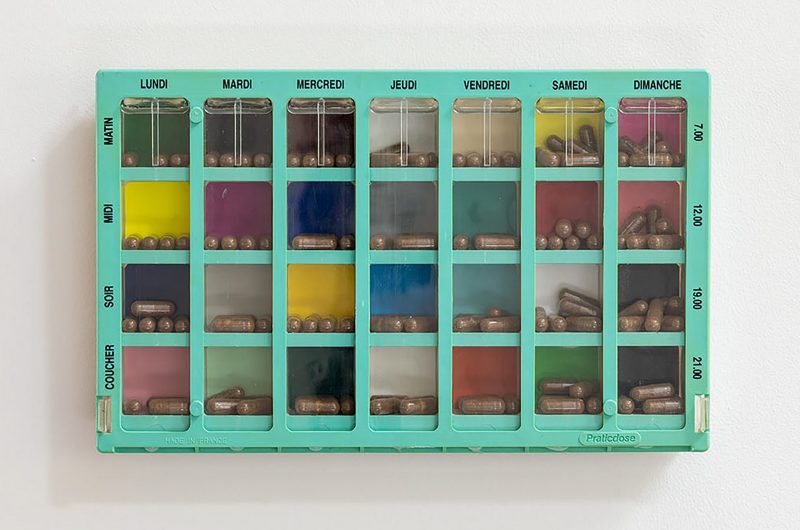
Flare-Up situated contemporary British practices in dialogue with international contexts and with earlier movements, including the enduring influence of HIV/AIDS art and activism. Works by Felix Gonzalez-Torres and Derek Jarman traced such intergenerational continuities. This lineage was most explicit in Benoît Piéron’s Pillbox Dungeness Seed Bomb (2018), a chromatic pill organiser containing capsules filled with seeds from plants at Prospect Cottage – Jarman’s final refuge-garden in Dungeness, Kent. The seismic impact of this legacy has been foundational in the formation of crip communities and artistic strategies, drawing on queer approaches to abstraction and opacity as forms of crip aesthetics.
Networks of mutual support between artists working in the UK and internationally have been central to sustaining practices and catalysing institutional change. Direct and indirect references circulated across the exhibition; Jamila Prowse’s film Flare: the muted outline of a body in bed as a camera flash overtakes the scene (2025) drew on Donald Rodney’s hospital footage while paying homage to the legacy of artist and activist Lizzy Rose. Artist-led developments – including the use of access riders and expanded attentiveness to exhibition accessibility – functioned here as structural interventions, confronting the hard edge of ableist capitalism and its prioritisation of productive bodies.
The flare is not a singular event. It is a condition of intensification. It names the escalation of symptoms, the flash of illumination, the surge of sound. It marks rupture and gathering simultaneously. Across the CCA’s tiled surfaces and exposed pipes – remnants of earlier regimes of hygiene and control – artists assembled other infrastructures: of care, of memory and of resistance.
Curated by Natasha Hoare and Mariana Lemos.
SUPPORTED BY
Culture Ireland
Henry Moore Foundation
Institut français du Royaume-Uni
Knotenpunkt
Polina Mikhailova
Trampoline, Association in Support of the French Art Scene, Paris
BIOGRAPHIES
Read more…
Abi Palmer is an artist and writer. She uses sculpture, text, film and sensory intervention to explore sick bodies, viscous textures and ecological landscapes. Artworks include mixed-media solo exhibition Slime Mother, Chapter, Cardiff, (2024) and Site, Sheffield (2025); film series Abi Palmer Invents the Weather, c0missioned by Artangel (2023); and interactive gambling arcade Crip Casino, Tate Modern, London (2019), Somerset House, London (2019), Wellcome Collection, London (2020), and Collective, Edinburgh (2021). She is the author of Slugs: A Manifesto (2024) and Sanatorium (2020). Group shows include the Frieze Corridor Commission, London, UK (2023), where her copulating slug sculptures were suspended from the ceiling, and Crip Arte Spazio at La Biennale di Venezia (2024). She is a Bloomberg New Contemporary Artist (2023) and received Henry Moore Foundation’s ‘Award for Sculptors’ (2025) and Paul Hamlyn Foundation’s ‘Award For Artists’ (2022).
Angela de la Cruz, born 1965 in La Coruña, Spain, works uses painting and its components as a sculptural object, rather than a two-dimensional representation. She focuses on breaking preconceived ideas of painting by targeting the essential structural component of the canvas: the stretcher. By breaking and bending the stretcher out of shape, the canvases are often left detached, mangled, torn, or warped. Recently, de la Cruz’ creations take on anthropomorphic characteristics in the actions they seem to be performing or the poses in which they are set. Angela de la Cruz studied philosophy at the University of Santiago de Compostela (1989) before moving to London, where she obtained a BA in Fine Art from Goldsmiths College (1994) and an MA in Sculpture and Critical Theory from the Slade (1996).
Important solo exhibitions include Museo Cabañas, Guadalajara (2021); CGAG, Santiago de Compostela (2019); Azkuna Zentroa, Bilbao (2018); Fundación Luis Seoane, A Coruña (2015); Camden Arts Centre, London (2010); Centro Andaluz de Arte Contemporáneo, Sevilla (2005); and Museo de Arte Contemporánea de Vigo (MARCO) (2004). Recent group exhibitions include Palais Populaire, Berlin (2022); Bilbao Fine Arts Museum (2021); Bombas Gens, Valencia (2021), Kunstsaele Berlin (2020); Freelands Foundation, London (2019); Wetterling Gallery, Stockholm (2018); Moran Moran, Los Angeles (2018); Art Gallery of New South Wales, Sydney (2018); and Museu d’Art Contemporani de Barcelona (MACBA) (2017). De la Cruz was nominated for the David and Yuko Juda Art Foundation Grant in 2022 and for the Turner Prize in 2010. In the same year, she was awarded the Paul Hamlyn Award, London. In 2017, she was awarded the Premio Nacional de Artes Plásticas. In 2011, she was awarded the Premio da Critica Galicia and Art Critics Awards at ARCOmadrid. Angela de la Cruz lives and works in London.
Avril Corroon is a visual artist born in Ireland working with sculpture, installation, moving-image, performance, and social practice. Her work examines inequity and health through questioning how architecture manifests governance. She has made cheese from toxic mould, collected 1800L of dehumidifier water, and performed on a city rooftop as the Airbnb logo. Corroon has focused on housing crisis’s and living conditions, collecting and using materials that hold distinct relations to these issues such as toxic mould. For her last major work GOT DAMP (2023) Corroon worked with members of a housing union, as well as the wider public in Dublin at Project Arts Centre and TACO in London, to create an exchange system for harvesting damp and collecting stories, circulating back evidence for claims with thermal imagery, equipment (dehumidifiers), and fees.
Corroon graduated with a Masters in Fine Art from Goldsmiths University of London in 2019. She is currently a resident at the Rijksakademie van beeldende kunsten where she lives and works in Amsterdam. Recent exhibitions include The Regeneration Game, PS² and Belfast Film Festival, Belfast (2025); Living Canvas, IMMA, Dublin (2025); Glowing Daisy Day, Kip, London (2025); Dreamtime Ireland at VISUAL Centre for Contemporary Art, Carlow (2025); Living Space, Douglas Hyde Gallery, Dublin (2025); Six Minutes by Residents of the Rijksakademie, Eye Filmmuseum, Amsterdam (2025); GOT DAMP, Project Arts Centre, Dublin and TACO!, London (2023); Cow & Gate, Sismógrafo, Porto (2022); AVR I4L C070 RRN, PEER, London (2021); and Spoiled Spores, The Lab Gallery, Dublin (2019).
Bella Milroy is an artist and curator who lives in their hometown of Chesterfield, Derbyshire. They work responsively through mediums of sculpture, drawing, photography, text, writing, gardening, and curating. They make work about making work (and being disabled) and not being able to make work (and being disabled). This process-based practice is fundamental to them as a disabled artist. They are continually motivated by concepts of public and private spaces and where the sick and/or disabled body exists within them, themes which emerge throughout much of their work.
Benoît Piéron (b. 1983, Ivry-sur-Seine) is an intersex, crip artist who lives and works in Paris. Selected solo exhibitions include Vernis à ombres, Palais de Tokyo, Paris, France (2026); Ministère des passe-temps, Le Grand Café, Saint-Nazaire (2025); Waiting Room, Villa Arson, Nice (2025); Étoiles ou Tempêtes, Le Magasin CNAC, Grenoble (2024); Slumber Party, Chisenhale Gallery, London (2023); and Monstera Deliciosa, MUMOK, Vienna (2023).
Selected group shows include Le Peuple des pyjamas au royaume des coquillettes, Les Capucins, Embrun (2025); In the hours between dawns, IAC Villeurbanne (2025); Mon ours en peluche, Musée des Arts Décoratifs, Paris (2024); Rayon Jouets, Hangar Y, Meudon (2024); Three Tired Tiger, Jameel Arts Center, Dubaï (2024); En dehors, CRAC Occitanie, Sète (2024); Coming Soon, Lafayette Anticipations, Paris (2024); The Myth of Normal: Chronic Contradictions, Salzburger Kunstverein (2024); The Myth of Normal: Of Competing and Conceding, Kunstverein Hannover (2024); Der pinkelnde Tod, Kunstverein Bielefeld (2023); Avant l’orage, Bourse du Commerce – Pinault Collection, Paris (2023); uMoya: The Sacred Return of Lost Things, Liverpool Biennial (2023); Exposé.es, Palais de Tokyo, Paris (2023); Horizones, Fondation Pernod Ricard, Paris (2022); and VIH/Sida, L’épidémie n’est pas finie, Mucem, Marseille (2021).
Carolyn Lazard (b. 1987, San Bernardino, CA) is an artist whose primary medium is iteration. They also work across video, sculpture, installation, and performance. Their practice remembers the generative incapacity of debility. Lazard has had solo exhibitions at Artists Space, New York; Walker Art Center, Minneapolis; Nottingham Contemporary; Institute of Contemporary Art, Philadelphia; Kunstverein Braunschweig; Trautwein Herleth, Berlin; and Essex Street Gallery, New York. Their work has been included in exhibitions at the Museum of Modern Art, New York; Museum of Contemporary Art, Los Angeles; Museum für Moderne Kunst, Frankfurt; Museum Ludwig, Cologne; Hamburger Bahnhof, Berlin; and CAPC Musée d’Art Contemporain, Bordeaux. Lazard was included in the Whitney Biennial, New York (2019 and 2024); Greater New York (2021); La Biennale di Venezia (2022); and the NGV Triennial, Melbourne (2023). Lazard is a Pew Fellow, a Ford Disability Futures Fellow, a United States Artists Fellow, and a MacArthur Fellow. They teach at Bard College in the Hudson Valley.
Christine Sun Kim is an American artist based in Berlin. Kim’s practice considers how sound operates in society, deconstructing the politics of sound and exploring how oral languages operate as social currency. Musical notation, written language, infographics, American Sign Language (ASL), the use of the body, and strategically deployed humour are all recurring elements in her practice. Working across drawing, performance, video and large scale murals, Kim explores her relationship to spoken and signed languages, to her built and social environments, and to the world at large. Kim’s work has been extensively exhibited and performed internationally. She is represented by François Ghebaly Gallery, Los Angeles; Gallery Hyundai, Seoul; and WHITE SPACE, Beijing.
Constantina Zavitsanos works in sculpture, performance, text, and sound and deals in debt, dependency, and other shared resources. They use the material processes and concepts of superposition, interference, occlusion, and transduction to blur sensing and feeling, knowing and seeing, contiguous and noncontiguous touch. Recent exhibitions include: fwiw, Artists Space, New York (2024); the 2024 Whitney Biennial, Whitney Museum of American Art, New York; Performing Conditions, MIT List Center, Cambridge, Massachusetts (2026); Simulcast (2023) and out of touch, out of time (2025), Galerie Max Mayer, Berlin.
Derek Jarman was one of the most influential British artists of the twentieth century. His practice – as diverse as it was prolific – spanned painting, sculpture, film, writing, stage design, gardening and activism. Studying at the Slade School of Fine Art in the 1960s, Jarman was equally attentive to developments in film and theatre design as to painting, beginning his career designing the sets for Frederick Ashton’s Jazz Calendar at the Royal Opera House, John Gielgud’s Don Giovanni at the London Coliseum, and for the films of Ken Russell. All the while Jarman was gaining increasing recognition for his painting, going from exhibiting as part of the Young Contemporaries at Tate, London, to frequent shows at the likes of the Lisson, Edward Tohah and Richard Salmon galleries in London.
Jarman was an outspoken campaigner for LGBTQIA+ rights, and was one of the first public figures in the UK to raise awareness for those living with HIV and AIDS, announcing his own HIV diagnosis on radio in 1986. From there Jarman entered a period of prolific writing, publishing his celebrated memoir Modern Nature in 1991, an account that chronicled another of his crowning artistic achievements: his garden at Prospect Cottage, Dungeness, a site that continues to welcome visitors today. The canvases of his last years – assemblages of gutter press homophobic headlines, religious iconography, plants, rubbish, and fierce poetic screeds scored into oil paint – speak of an artist whose legacy precedes him.
Felix Gonzalez-Torres (1957–1996) was one of the most significant artists to emerge in the late 1980s and early 1990s. In its reduced formal vocabulary, conceptual rigor, and evocative use of everyday materials, the artist’s work resonates with meaning that is at once specific and mutable, rigorous and generous, poetic and political. Work by the artist is held in significant institutional collections worldwide, among them the Art Gallery of Ontario, Toronto; Art Institute of Chicago; Astrup Fearnley Museet for Moderne Kunst, Oslo; Centre Pompidou, Paris; Crystal Bridges Museum of American Art, Bentonville, Arkansas; Brooklyn Museum, New York; Fondation Beyeler, Basel; Hamburger Kunsthalle, Hamburg; Hirshhorn Museum and Sculpture Garden, Washington, D.C.; La Collección Jumex, Mexico City; The Metropolitan Museum of Art, New York; Museum of Contemporary Art Chicago; Museum of Contemporary Art, Los Angeles; The Museum of Modern Art, New York; Pérez Art Museum Miami; Pinault Collection, Paris; Philadelphia Art Museum; San Francisco Museum of Modern Art; Solomon R. Guggenheim Museum, New York; Sprengel Museum Hannover, Hanover; Stedelijk Museum, Amsterdam; Tate, United Kingdom; Vancouver Art Gallery; and the Whitney Museum of American Art.
Freestylers was set up by Francis Majekodunmi and Roland Carline in 2019 with support from Deptford X, London and Goldsmiths CCA. They wanted to challenge individualism in the arts and make work with many voices. To create space and make live work that is Disability led and accessible. Current 2026 longstanding Freestylers members are Francis Majekodunmi, Roland Carline, Sheri King, Kavina Pound, Bethany Pound Green, DJ Hassan, Shola Cole Wilson, Joe Peciuch, Abdul Sabir, Sunanda Biswas, Ezi Ogbonna, Giselle Underwood, Nancy Clayton, and Adam Smith. In 2020 Freestylers were commissioned to make Everybody with me always, which toured to venues across the UK and Europe including Baltic Centre for Contemporary Art, Newcastle upon Tyne; Tramway, Glasgow; Turner Contemporary, Margate; The Bluecoat, Liverpool; Barbican, London; and Skånes Dansteater, Malmö. Since 2021, Freestylers have been long-term residents at Siobhan Davies dance studios in London, where they run weekly Tuesday sessions open to the public. In 2023 Freestylers were awarded an Arts Council grant to make their new work Honey you are Art (2024) which they are currently touring.
Jamila Prowse (b.1994) is a self-taught artist whose practice evolved from her sick bed. She makes in order to process complex emotions and experiences around disability, autism, mixed-race ancestry, and social isolation. Intuitively moving between different mediums as a form of play, and to respond to fluctuations in her energy and disability, she hopes to return to art as a site of healing, imagination, and resistance. Previous exhibitions and screenings include V&A, London; Whitechapel Gallery, London; Somerset House, London; South London Gallery; Studio Voltaire, London; Goldsmiths CCA, London; Aspex, Portsmouth; Newlyn Art Gallery, Cornwall; NewBridge Project, Newcastle upon Tyne; TULCA Festival of Visual Arts, Ormston House Gallery, Galway; and Hordaland Kunstsenter, Norway. Her writing has appeared in Frieze, Art Monthly, British Journal of Photography and elsewhere.
Jesse Darling is an artist born and based in Oxford, UK. Darling’s work explores the contradictions and complexities of the present continuous and past imperfect, using a multidisciplinary approach that spans sculpture, drawing, installation, and text. Selected solo exhibitions include Godsworth, Oude Kerk, Amsterdam (2026); The Ambassadors, Palais de Tokyo, Paris (2026); VANITAS, Petit Palais, Paris (2024); On Our Knees, Arcadia Missa, London (2024); Gravity Road, Mining History Centre, Lewarde (2023); Turner Prize 2023 Winner, Towner Eastbourne (2023); Enclosures, Camden Art Centre, London, (2022); No Medals No Ribbons, Modern Art Oxford (2022); Gravity Road, Kunstverein Freiburg (2020); Kunstpreis der Böttcherstraße Prize, Bremen (2020); The Ballad of St Jerome, Art Now, Tate Britain, London (2018); and The Great Near, Arcadia Missa, London (2016).
Jjjjjerome Ellis (any pronoun) is a disabled Grenadian-Jamaican-American artist, surfer, and person who stutters. Through music, performance, writing, video, and photography, Ellis asks what stuttering can teach us about listening, generosity, and justice. Jjjjjerome has the great privilege of being married to poet-ecologist Luísa Black Ellis. They live in a monastery on a creek in traditional Nansemond and Chesepioc territory, aka Norfolk, VA. Jjjjjerome dreams of building a sonic bath house!
Leah Clements is an artist from and based in London whose practice spans film, photography, performance, writing, installation, and other media to find moments of transcendence. Her work is concerned with the relationship between psychological, emotional, and physical states, often through personal accounts of unusual or hard-to-articulate experiences. Her practice also focuses on sickness/cripness/disability in art, and how real and imaginary realms can operate as radical spaces to address collective experiences. She is currently the first Artist-in-Residence at Greenwich Park, London, and was the 1st prize recipient of the 2023 Mosaic Art Award, Hauser & Wirth, London, as well as the first Artist-in-Residence at Serpentine Galleries, London (2020-21). Recent projects include her solo shows Apophenia, Peer, London and Arts Catalyst, Sheffield (2026); INSOMNIA, South Kiosk, London (2022); and The Siren of the Deep, Eastside Projects, Birmingham, 2021. Clements also had a permanent artwork commissioned by Bethlem for a new London hospital.
Lizzy Rose (1988-2022) was born in Brisbane, Australia and grew up in Kent, UK. Lizzy studied at Central Saint Martins and was an Associate at Open School East. Based in Margate since 2011, Lizzy was deeply embedded in the town’s grassroots arts scene. Lizzy lived with a severe form of Crohn’s disease, a chronic autoimmune disorder affecting the gut, which in Lizzy’s case eventually led to intestinal failure alongside other health conditions. Her worldview was shaped by her experience and awareness of the precarity of life. Her later work addressed chronic illness directly and politically, examining how society understands, accommodates, and often fails those who are sick. In 2018 she collaborated with Leah Clements and Alice Hattrick on accessdocsforartists.com, a tool kit for artists or art workers identifying as sick/crip/disabled/D/deaf to convey to host organisations how they can work together, and which has made a lasting contribution to rights-awareness in the arts. From 2010 onwards Lizzy spent increasing amounts of time in hospital, and as her health deteriorated she adapted her practice to her circumstances. She turned her hospital bed into a studio, producing work that documented and reflected on the daily realities of medical environments. When traditional exhibition avenues were inaccessible to her, she used social media to ensure her work was seen. In doing so, she helped foreground the importance of online technologies for chronically-ill artists, treating digital platforms as alternative gallery spaces and as vital tools for community‑building.
Mariana Lemos is an independent curator based in London working with performance art, affect, and crip phenomenologies. Her curatorial approach is based on disability access and feminist methodologies. She holds an MFA in Curating from Goldsmiths University (2020) and is an Associate Lecturer at the MA Curating and Collections at Chelsea UAL. She is part of the Feminist Duration Reading Group, currently in residency at Goldsmiths CCA, and a Board Member of Saloon. She also works with the Flat Time House in coordinating the London Residency Network. She has published texts in Frieze, Art Review, Flash Art and others. Recent and upcoming projects include Antonia Luxem: On Falling, Annex by the Koppel Project, London (2026); Duets, Teaspoon Projects, London 2025; A Tragical Romance, Wonnerth Dejaco for Curated By, Vienna (2024); Vaivém by Francisca Pinto, Ostra, Lisbon (2024); DIG, IN: Maisie Maris & Laura Mallows’ at Staffordshire St, London 2023; ‘INSOMNIA’ by Leah Clements at South Kiosk, London 2022-23. Upcoming shows include ‘Flare-Up’ at Goldsmiths CCA, London (May-Aug 2026); and Blood and Coffee, Vienna Arts Academy (Nov 2026-Feb 2027).
Park McArthur (b. 1984, Raleigh, NC) experiments with personal and social meanings of debility, delay, and dependency under the guidance and instruction of disability. Artist publications include Beverly Buchanan: 1978–1981 (Athénée Press, 2015) co-edited with Jennifer Burris and Contact M (mumok, Museum Abteiberg, 2025), the catalog for McArthur’s recent solo exhibition at Museum Abteiberg, Mönchengladbach, Germany and mumok, Vienna, Austria.
RA Walden is interested in our ability and failure to navigate physicality, interdependency, and vulnerability both communally and individually; understanding world-building not as a visionary tool for an imagined future, but as an embodied methodology for the now. Recent work has been shown at Baltic Centre for Contemporary Art, Newcastle upon Tyne; HAU, Berlin; National Gallery of Australia, Canberra; SOHO20, New York; and Kunstinstituut Melly, Rotterdam. Walden has been a resident of Shandaken Storm King, New York; Wysing Arts Centre, Cambridgeshire; Hebbel am Ufer, Berlin; and La Becque, Switzerland. Their solo exhibition access points // or // alternative states of matter(ing) opened in 2023 at Storm King Art Center, New York; in 2024 they presented a solo exhibition at Grundy Art Gallery, Blackpool, titled object transformations through the co-ordinate of time.
Racheal Crowther is a London-based artist whose practice examines governance, surveillance, and institutional power, tracing their entanglement with systems of care. Her practice repurposes technical apparatus and industrial objects charged with memory to reveal failures in bureaucracy and the persistent grip of institutional structures on daily life. Selected exhibitions include Liquid Trust, Chisenhale, London (2026); Gebrauchsmusik, Galerie Noah Klink, Berlin (2025); Royal Academy Schools Show, Royal Academy of Arts, London (2024); Managed Decline, 243 Luz, Margate (2023); Qualified to Care, Ginny on Frederick, London (2022); Intermission: White Noise Ballrooms, Camden Arts Centre Off-Site Programme, Cork Street Galleries, London (2020); and Hard Shoulder, Peak Gallery, London (2019).
Read Less...