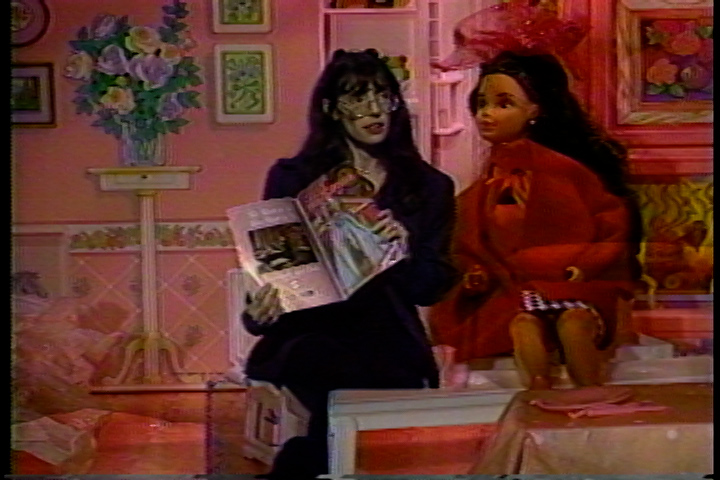
Paper Tiger Television, Ynestra King Reads Seventeen: Selling the All-American Girl,1982 [still]. Painted by Johanna Vanderbeek.
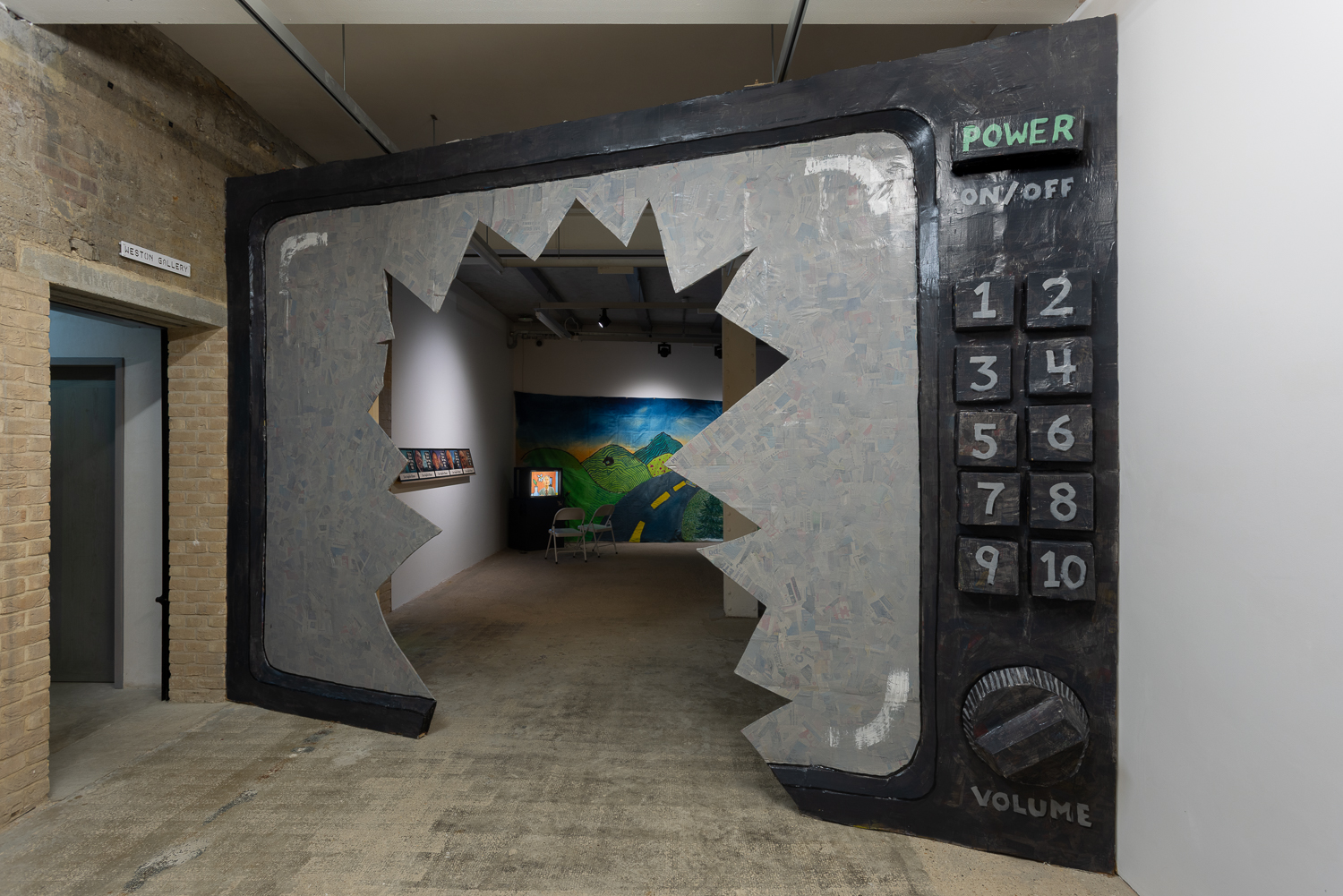
Installation view, Paper Tiger Television, It’s 8:30. Do you know where your brains are?, Goldsmiths CCA, London, 2026. Photo: Rob Harris.
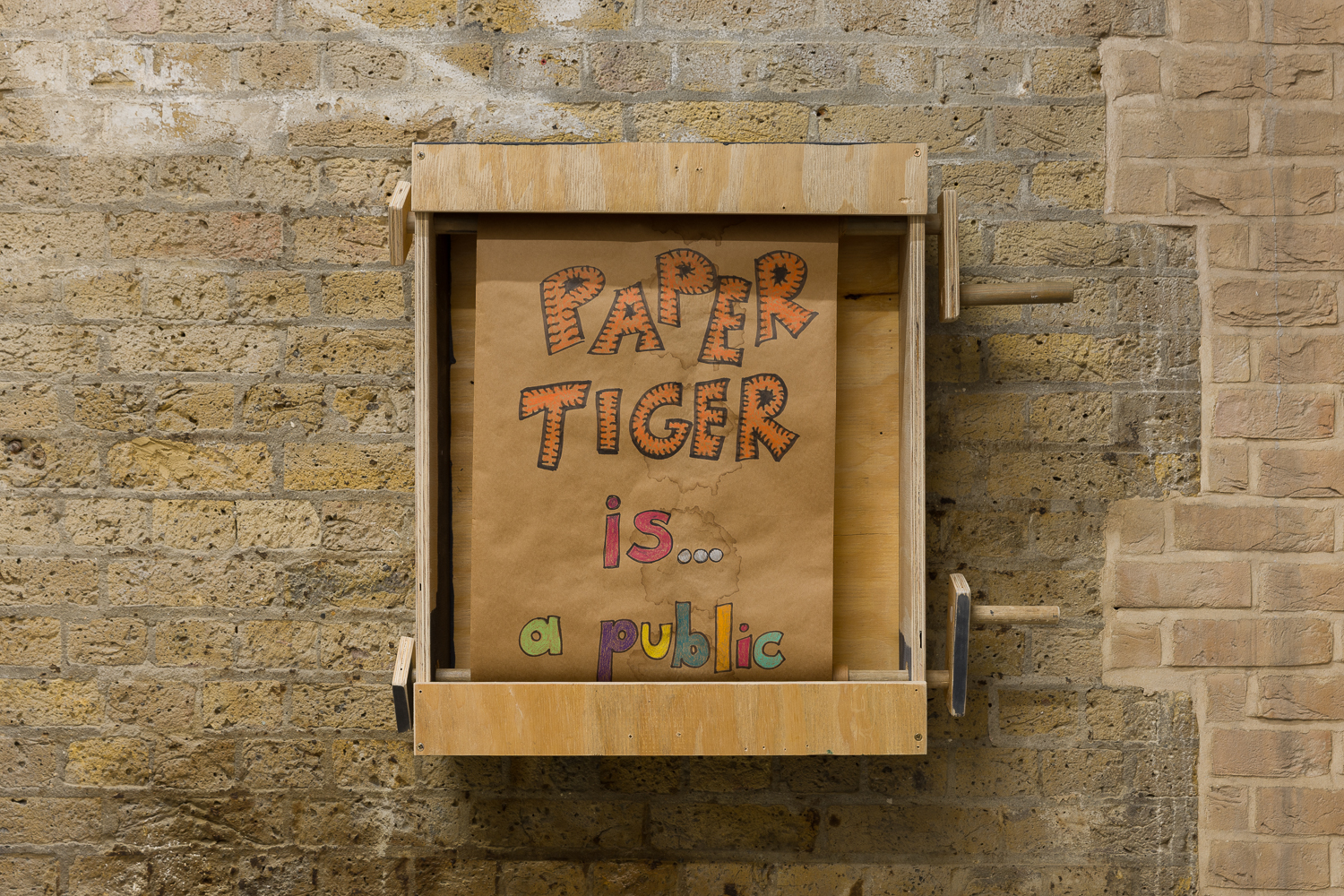
Installation view, Paper Tiger Television, It’s 8:30. Do you know where your brains are?, Goldsmiths CCA, London, 2026. Photo: Rob Harris.
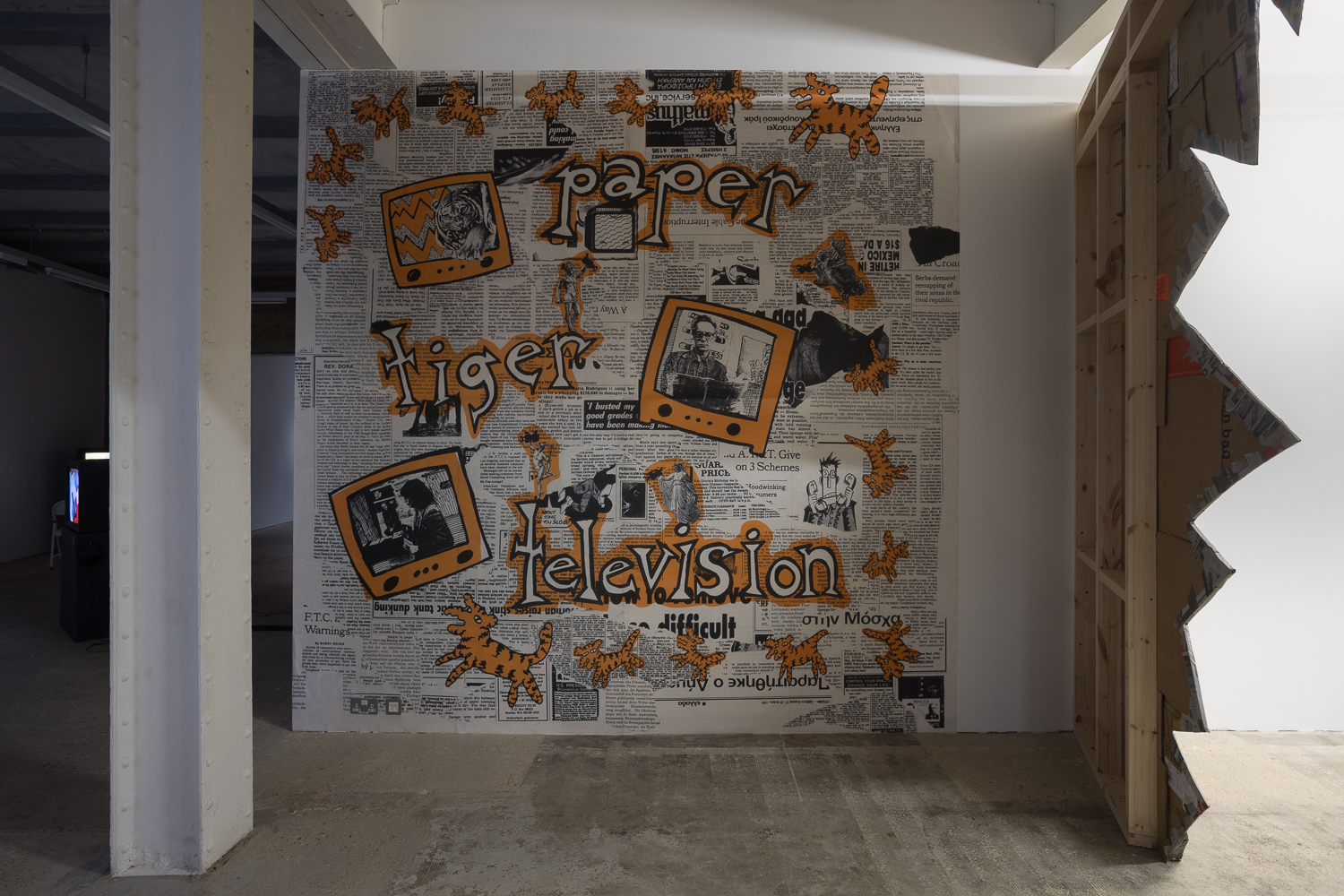
Installation view, Paper Tiger Television, It’s 8:30. Do you know where your brains are?, Goldsmiths CCA, London, 2026. Photo: Rob Harris.
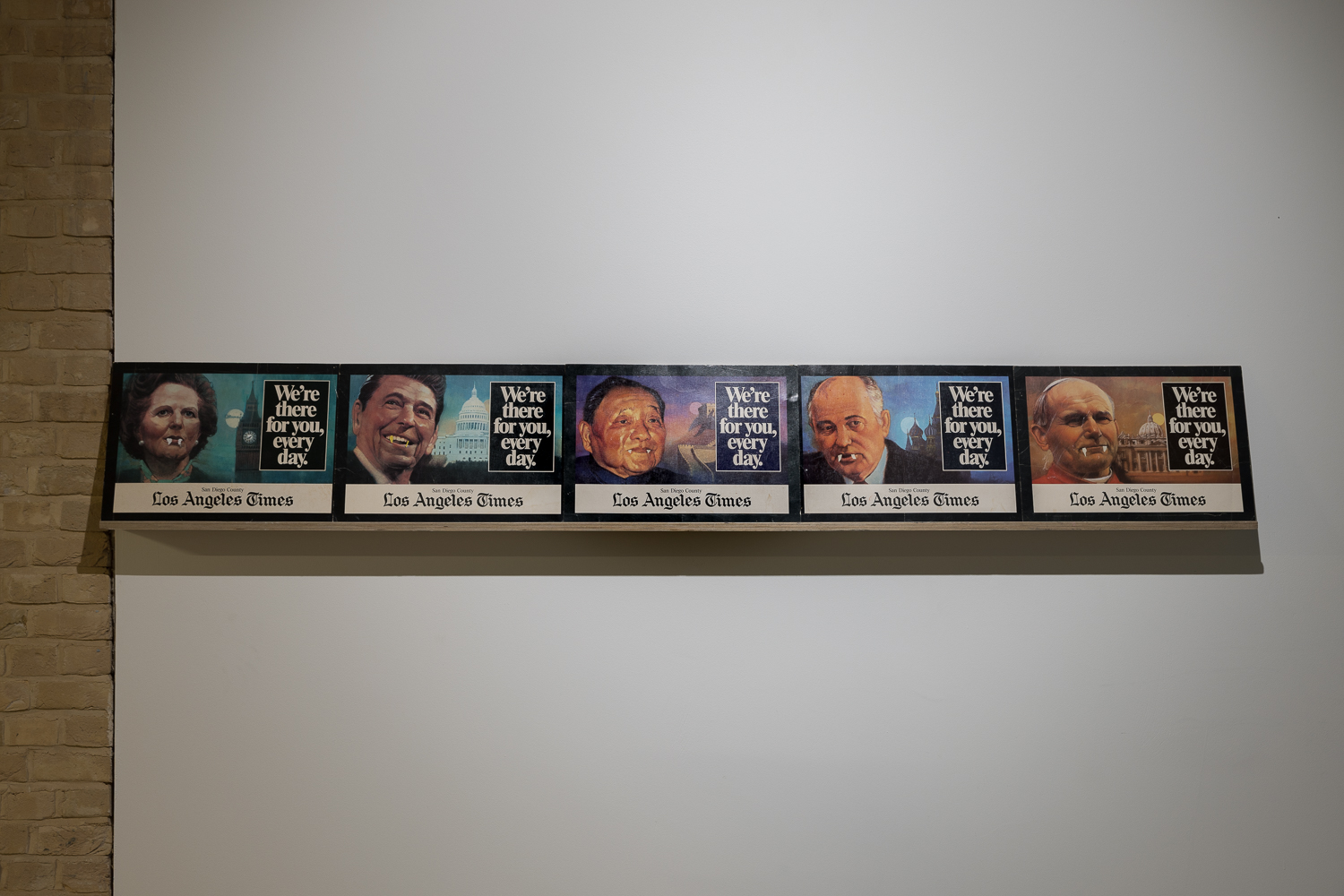
Installation view, Paper Tiger Television, It’s 8:30. Do you know where your brains are?, Goldsmiths CCA, London, 2026. Photo: Rob Harris.
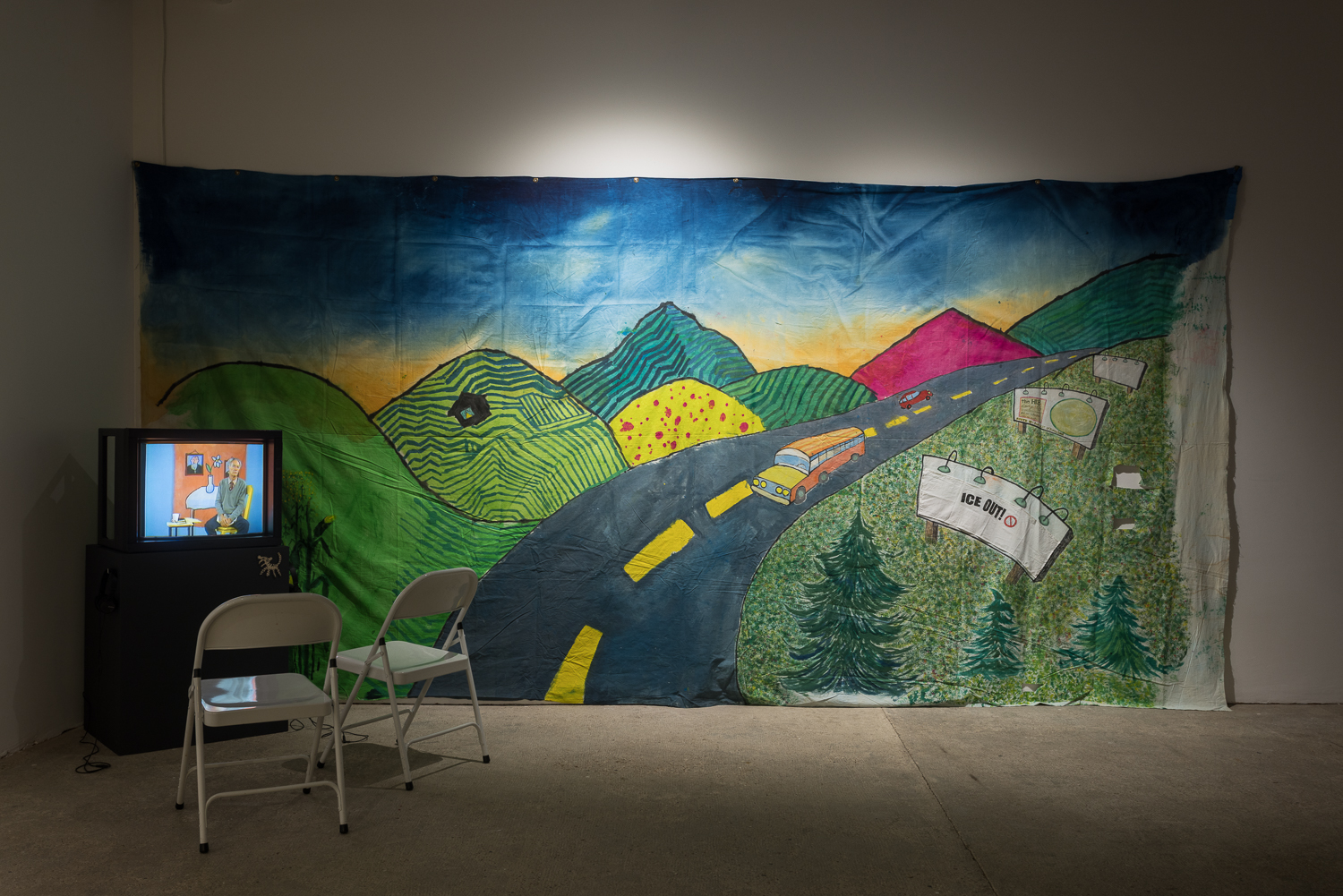
Installation view, Paper Tiger Television, It’s 8:30. Do you know where your brains are?, Goldsmiths CCA, London, 2026. Photo: Rob Harris.
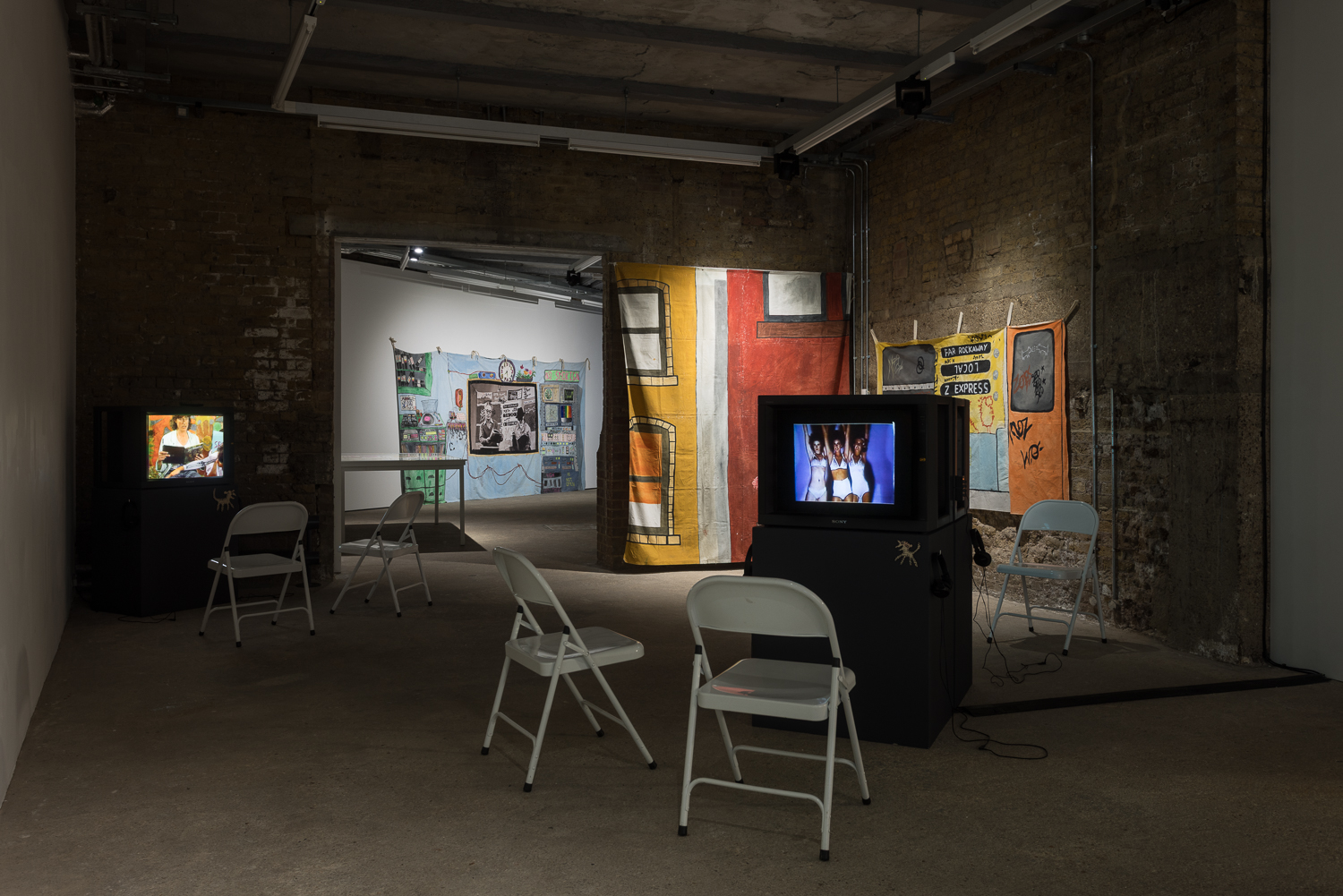
Installation view, Paper Tiger Television, It’s 8:30. Do you know where your brains are?, Goldsmiths CCA, London, 2026. Photo: Rob Harris.
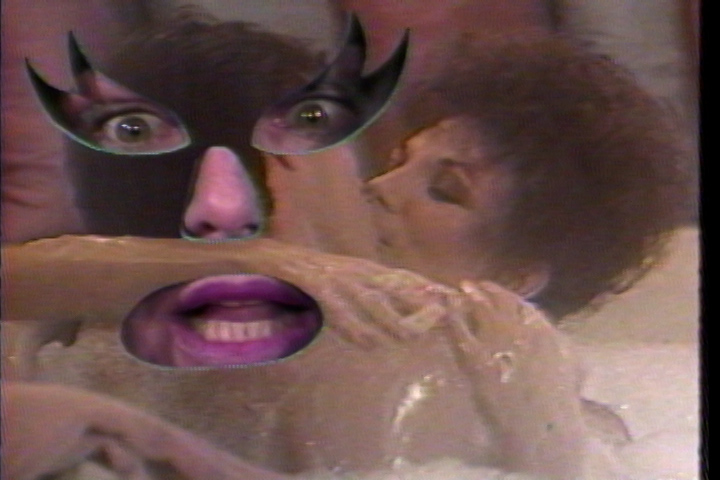
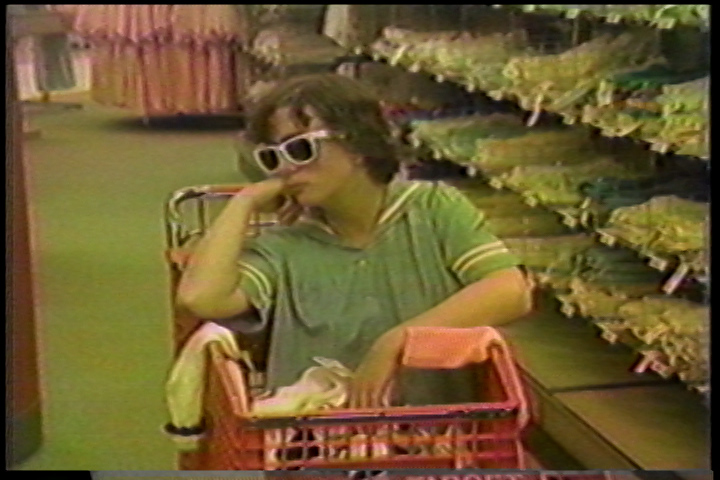
Paper Tiger Television, Joan Does Dynasty, 1986 [still].
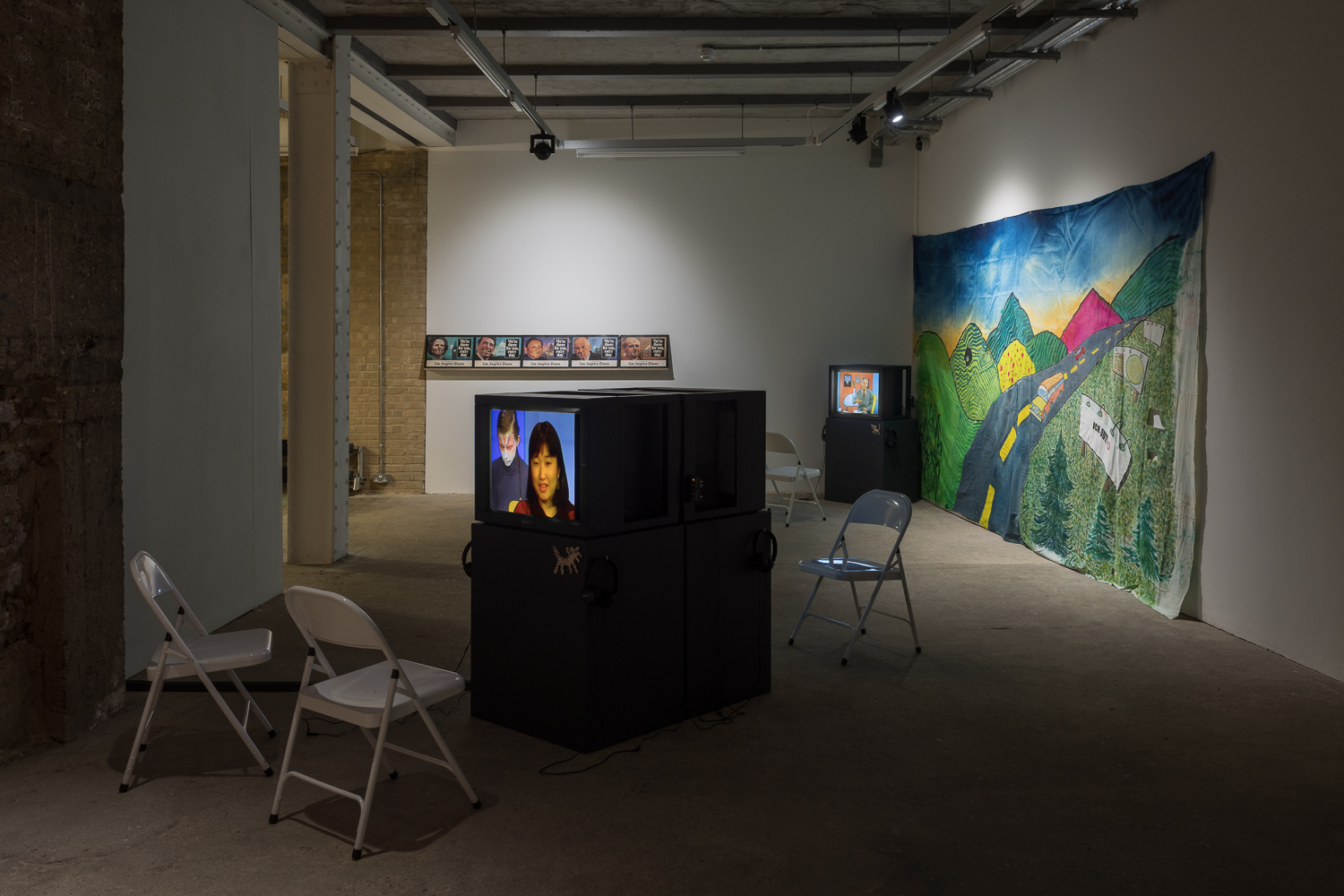
Installation view, Paper Tiger Television, It’s 8:30. Do you know where your brains are?, Goldsmiths CCA, London, 2026. Photo: Rob Harris.
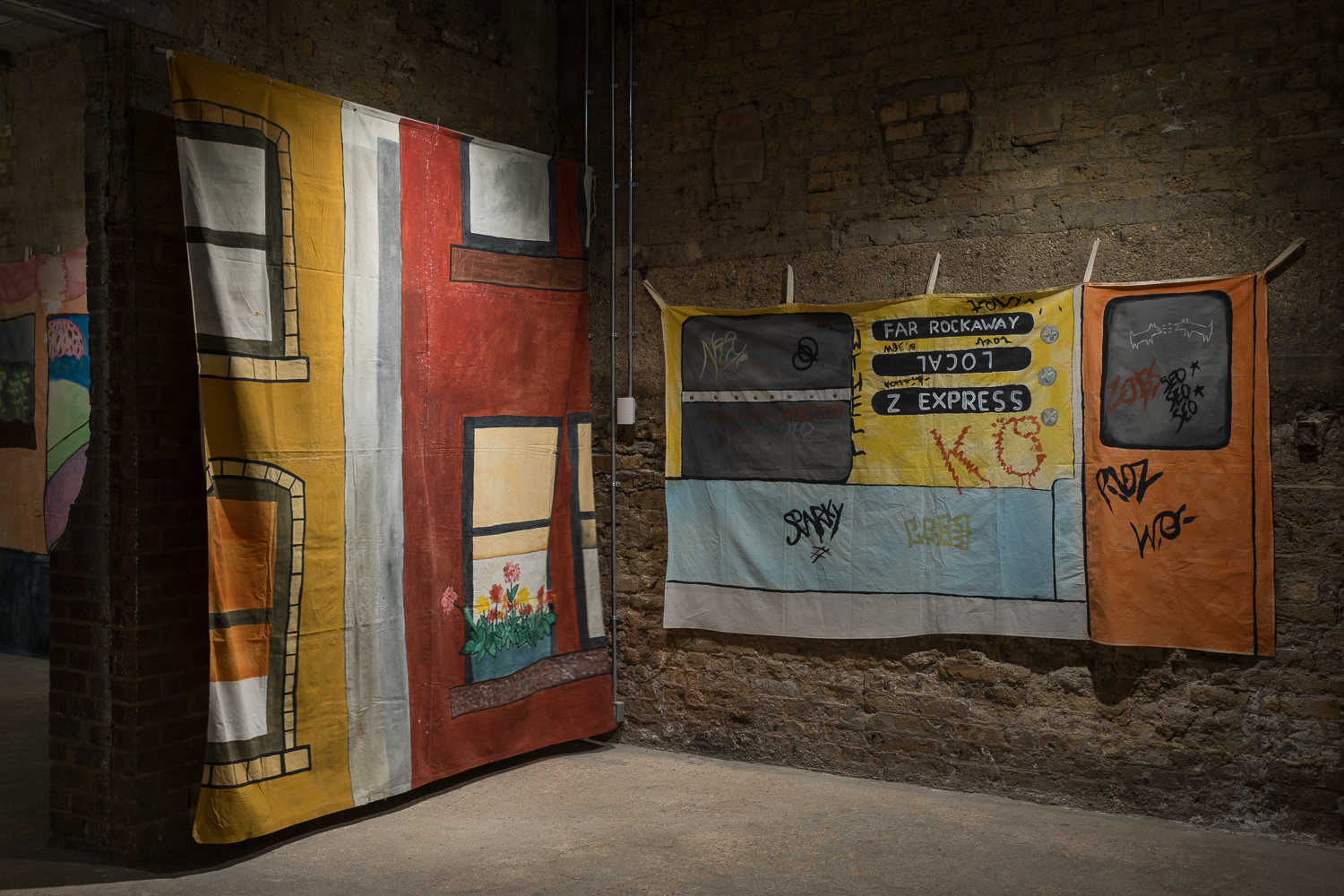
Installation view, Paper Tiger Television, It’s 8:30. Do you know where your brains are?, Goldsmiths CCA, London, 2026. Photo: Rob Harris.
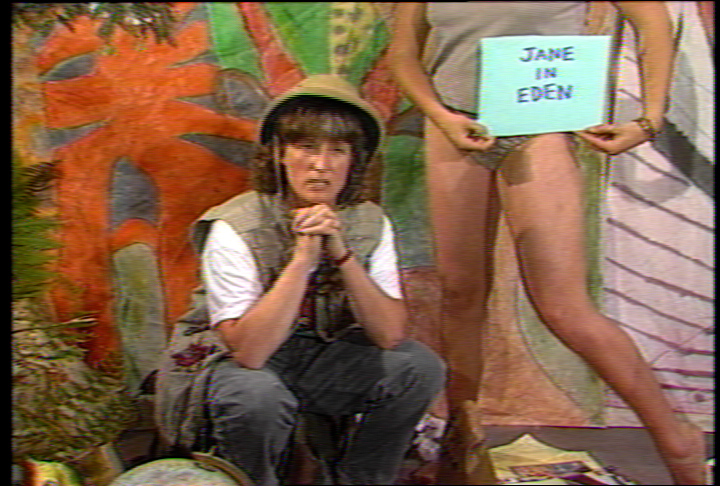
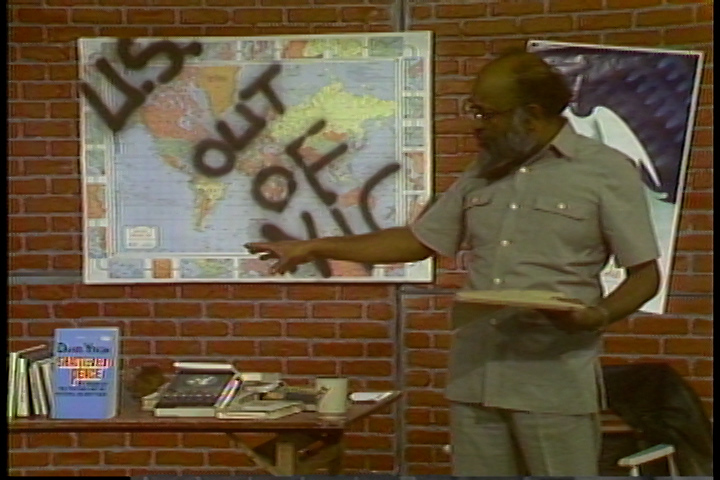
Paper Tiger Television, Donna Haraway Reads the National Geographic on Primates, 1987 [still].
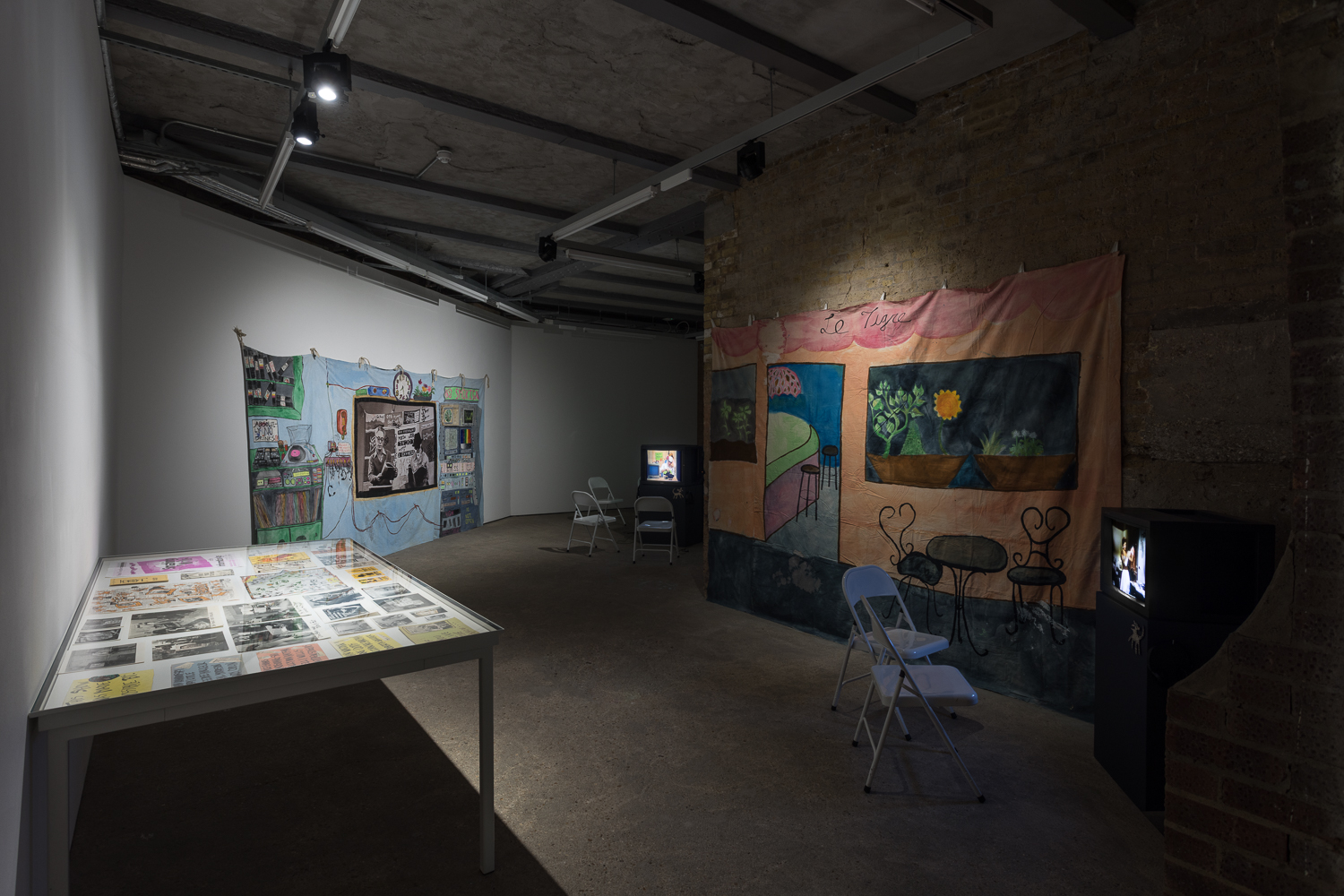
Installation view, Paper Tiger Television, It’s 8:30. Do you know where your brains are?, Goldsmiths CCA, London, 2026. Photo: Rob Harris.
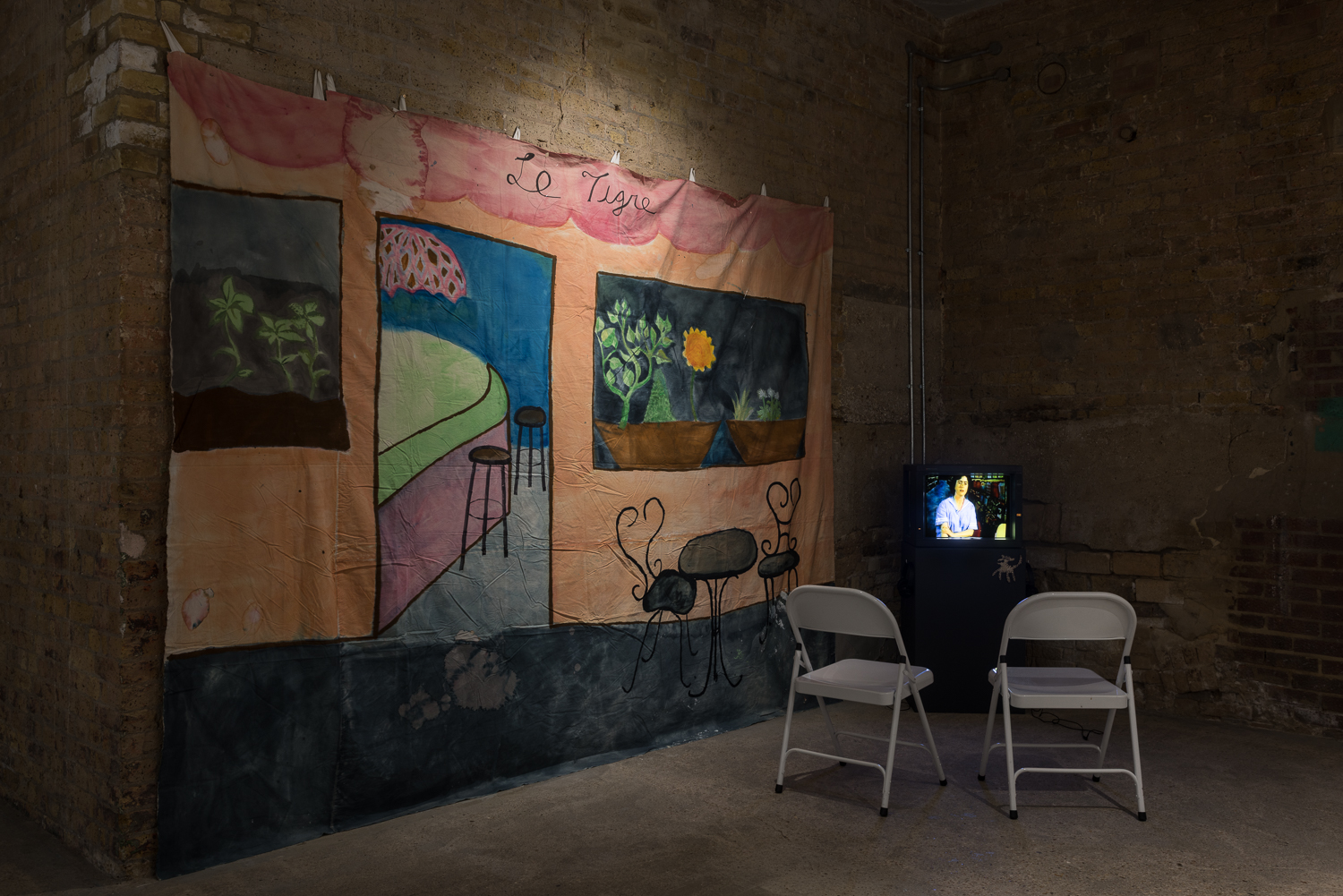
Installation view, Paper Tiger Television, It’s 8:30. Do you know where your brains are?, Goldsmiths CCA, London, 2026. Photo: Rob Harris.
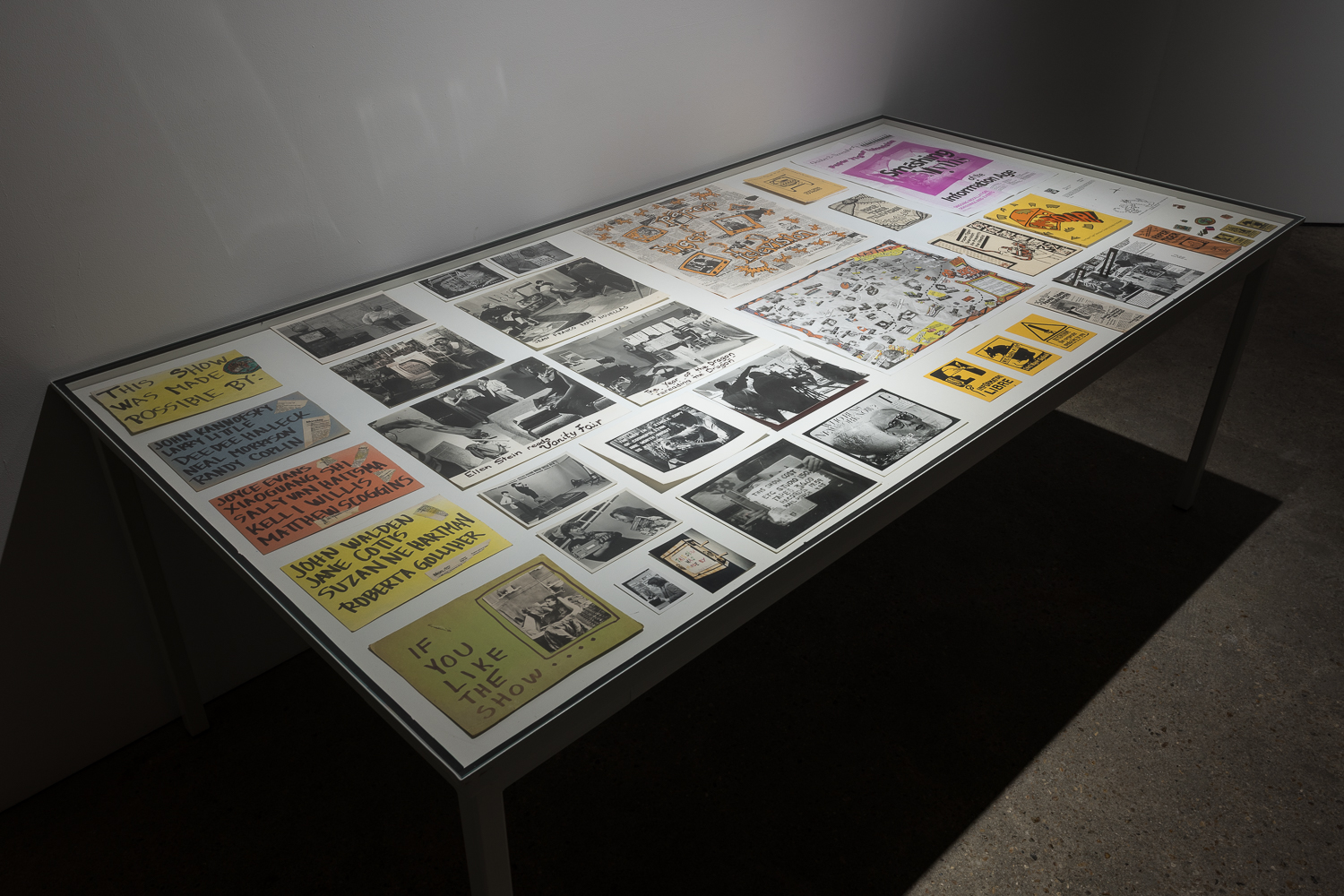
Installation view, Paper Tiger Television, It’s 8:30. Do you know where your brains are?, Goldsmiths CCA, London, 2026. Photo: Rob Harris.
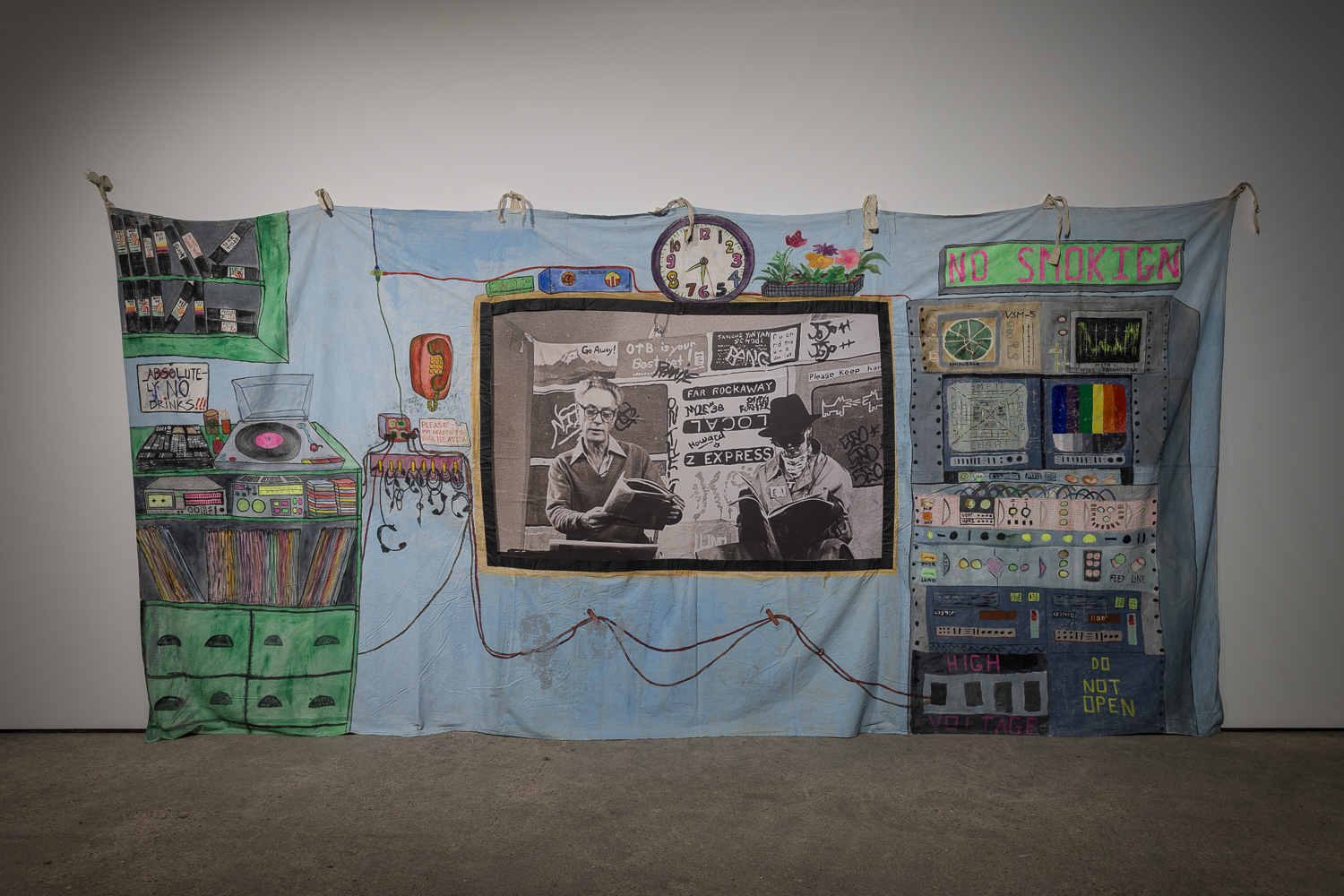
Installation view, Paper Tiger Television, It’s 8:30. Do you know where your brains are?, Goldsmiths CCA, London, 2026. Photo: Rob Harris.
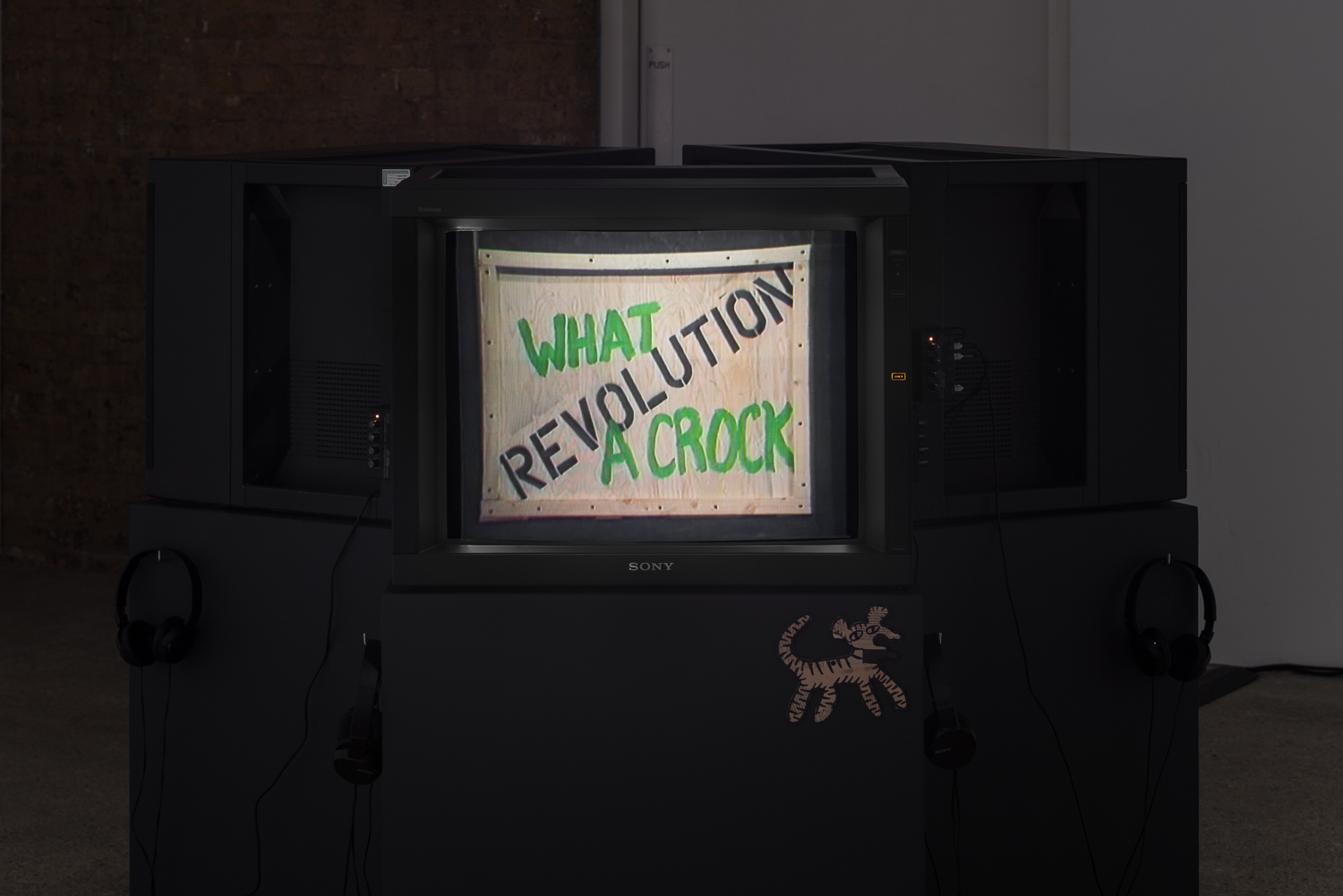
Installation view, Paper Tiger Television, It’s 8:30. Do you know where your brains are?, Goldsmiths CCA, London, 2026. Photo: Rob Harris.
PAPER TIGER TELEVISION
It’s 8:30. Do you know where your brains are?
This was the first exhibition in the UK to present the work of Paper Tiger Television (PTTV), a US-based video production and distribution collective. Over four decades of activity, they made nearly 400 programmes for public access television, delivered hundreds of workshops, and trained countless video-makers. It’s 8:30. Do you know where your brains are? presented 40 programmes from across the decades of PTTV’s activity, many of which have rarely been seen since they were first cable-cast, as well as visual and graphic items used in production, archival material and publications.
PTTV was founded in 1981. DeeDee Halleck learned that media theorist Herb Schiller was producing detailed analyses of the New York Times for a class he was teaching at Hunter College in New York City and invited him to cable-cast his readings on a Manhattan public access programme called Communications Update. Halleck assembled a production crew to make the programmes, and, as a result of the enthusiasm they generated, a group of volunteers came together to form what would become PTTV.
In many ways, PTTV’s first six programmes established the form and feel of their shows in the early 1980s, the majority of which involved an invited commentator – including artists, activists, theorists, and political scientists – presenting a critical reading of a specific ‘text’, whether a journal, newspaper, magazine, or film. For example, Martha Rosler Reads Vogue: Wishing, Dreaming, Winning, Spending (1982), Myrna Bain Reads Ebony: Put Your Money Where Your Soul Is (1983) and Renee Tajima Reads Asian Images in American Films: Charlie Chan Go Home! (1984). Members of the PTTV group would work with invited guests to develop artistic strategies, research and produce the programme, very often assuming different responsibilities for each production – a collective process of sharing knowledge, ideas, and skills. While the collective has involved over 200 people through its history, in the first decade it had, according to Daniel Marcus, ‘about twenty-five members active at any one time, with six or eight heavily involved, doing research, painting backdrops, producing shows. The level of involvement ranges from the occasional to the obsessive’, he explained. ‘A Tiger might produce one show, work audio on the next, handle props on the one after that.’
As well as critiquing various images, tropes, articles, and adverts within the ‘text’, PTTV programmes also frequently interrogated the mass corporations and media conglomerates that produced them, looking at labour conditions, revealing corporate interests and hidden political agendas. PTTV’s programmes would also investigate the target publication’s board of directors, its readership, and the products they consume. However, unlike other performances of knowledge, which can result in dry or virtuoso demonstrations of expertise, the majority of PTTV programmes were irreverent, funny, and joyful. Joan Braderman’s Joan Does Dynasty (1986) – described as ‘the classic feminist performance video of the era’ by Yvonne Rainer – is a case in point.
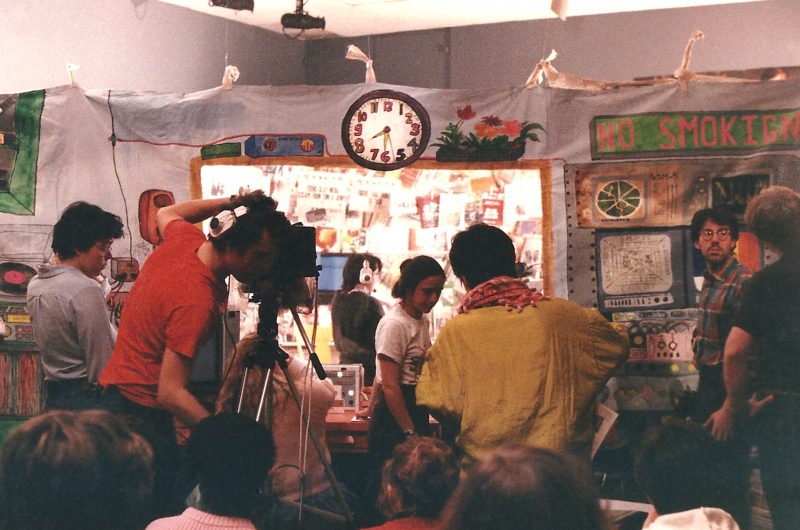
In the early days of PTTV, the collective tried to make one programme a week. Most begin with the question ‘It’s 8:30. Do you know where your brains are?’ and end with a disclosure of the (minimal) budget. These mostly live performances would be aired on the same prime-time slot, ensuring consistency and generating a sense of spontaneity, before being shown in other screening contexts, including college classrooms, film festivals, galleries, and museums. As Amy Taubin described in 1988, ‘Paper Tigerprogrammes are produced mostly live on tape, which means that there is a one-to-one relation between what you see and what was shot … The studio is equipped with a low-tech switcher, allowing such visual aids as photos, graphics, or documentary footage to be either keyed or cut into the basic set-up.’
As its 1981 manifesto made clear, PTTV critiqued corporate control of the communications industry and provided a radical alternative. Remarkably, it managed to do this on television itself. In the first instance, this was due to public access, which came about because of a trade-off offered by franchise operators when they needed to run cables through city streets and sewers. As a result of this agreement with local municipalities, the majority of cities and towns had a few channels available for public use. As Halleck described in 1984, ‘The access movement took root at a moment of maximum disillusionment with network television. Residual political optimism from the sixties combined with the flush of infatuation with small-format video to generate hope that cable would offer a genuine alternative to the vast TV wasteland. A National Federation of Local Cable Programmers, under the tutelage of New York University Professor and access pioneer, George Stoney, helped to organize access committees wherever franchise agreements were being negotiated … As a result of this confluence of circumstances, a rare opportunity [developed] in many communities for authentic participatory media.’ The first decade of PTTV coincided with a period of right-wing retrenchment – Ronald Reagan and George H.W. Bush’s presidencies in the United States and Thatcherism in the UK – and, as such, this experiment in left-wing counter-media was needed more than ever.
In artistic terms, PTTV developed in the aftermath of conceptual art and experimental film but, at the same time, marked a clear departure from them, both in terms of its homemade feel and use of DIY strategies. In this sense, despite the clear influence of institutional critique on PTTV and some of its presenters (like Schiller, who credited Hans Haacke as an inspiration for his theoretical work), it shared as much with punk and early video art. The programmes were also designed as fun and easily replicable models, to encourage people to make their own. PTTV utilised handmade elements, some of which are on display in this exhibition, including ‘credit cards’ written in felt tip, collages, painted backdrops on cloth, and hand-operated ‘crankees’. While many of these decisions were economically determined, they were also part of a broader artistic strategy. As Martha Gever has argued, ‘the overt style of Paper Tiger’s design reinforces its purpose – to reveal, not conceal, the working of media production. The flat sets, punkish graphics, and the cost-breakdown given at the close of each show implicitly expose invisible, finely-tuned methods of media seduction. This is Brecht’s “alienation effect” applied to television…’ In the hands of PTTV, the combination of detailed theoretical analysis and eye-catching strategies functioned to expose social relations and inequalities. Underpinned by political activism, PTTV’s work was also often connected with, and reported on, grassroots campaigns and interventions. Two examples of this are Play for Keeps: The Struggle to Save NYC Community Gardens(2000) and Richie Perez Watches Fort Apache: The Bronx (1983), an in-depth look at the community-led campaign to counteract the racist depictions of Puerto Rican and Black people in Daniel Petrie’s 1981 film.
As the decades went on, the format of PTTV’s work shifted, with fewer programmes producing readings of single texts and many becoming closer to documentary in their form. The emphasis on print media shifted to television; the commitment to live shows gave way to post-production and editing, as equipment became more easily available. At an organisational level, PTTV could afford to have some paid staff-time and an office on Lafayette Street in New York. In 1985, PTTV West was formed and some of the programmes it produced are on display in this exhibition, such as Judith Williamson Consumes Passionately in Southern California (1987) and Sheila Rowbotham Reads The Star (1987). Some remnants from this time, which can be seen in the latter programme and this exhibition, are enhanced images of politicians from a Los Angeles Times advert campaign in the 1980s. Armed with a bottle of correction fluid, Paper Tiger West pranksters drove around San Diego, pulling the cards out, adding fangs, then reinserting the cards back in the kiosks. Over one hundred kiosks throughout San Diego were enhanced.
One major series in PTTV’s history, The Gulf Crisis TV Project from 1991, was a collaboration with Deep Dish – the national satellite network for access and alternative programming that PTTV created – that examined the impact of the United States-led allied war with Iraq. The concern with representation in the media and its relation to imperialism and colonialism is an important aspect of PTTV’s work, as demonstrated by shows like Under Siege: Palestinians in the U.S. Media (1986) and Operation Storm the Media (1991). Other programmes, such as Sisterhood™: Hyping the Female Market (1993) and Market This!: Queer Radicals Respond to Gay Assimilation (2003), offer critical takes on co-option, exploitation and marketisation. Other programmes on display highlight various radical political projects, like Low-Power Empowerment: Neighborhood Radio in Ireland and the United States (1992).
This exhibition presented 40 programmes from PTTV’s history, spread across eight monitors, and presented chronologically. They were selected by the curator of It’s 8:30. Do you know where your brains are? and four members of PTTV: Mary Feaster, DeeDee Halleck, Linda Iannacone, and Jennifer Whitburn. While many more could have been included, it was hoped that this selection, around 10% of PTTV’s programmes, provided a wide-ranging presentation of this compelling experiment with public access television.
This was the first exhibition in the UK to present the work of Paper Tiger Television (PTTV), a US-based video production and distribution collective. Over four decades of activity, they made nearly 400 programmes for public access television, delivered hundreds of workshops, and trained countless video-makers. It’s 8:30. Do you know where your brains are? presented 40 programmes from across the decades of PTTV’s activity, many of which have rarely been seen since they were first cable-cast, as well as visual and graphic items used in production, archival material and publications.
PTTV was founded in 1981. DeeDee Halleck learned that media theorist Herb Schiller was producing detailed analyses of the New York Times for a class he was teaching at Hunter College in New York City and invited him to cable-cast his readings on a Manhattan public access programme called Communications Update. Halleck assembled a production crew to make the programmes, and, as a result of the enthusiasm they generated, a group of volunteers came together to form what would become PTTV.
In many ways, PTTV’s first six programmes established the form and feel of their shows in the early 1980s, the majority of which involved an invited commentator – including artists, activists, theorists, and political scientists – presenting a critical reading of a specific ‘text’, whether a journal, newspaper, magazine, or film. For example, Martha Rosler Reads Vogue: Wishing, Dreaming, Winning, Spending (1982), Myrna Bain Reads Ebony: Put Your Money Where Your Soul Is (1983) and Renee Tajima Reads Asian Images in American Films: Charlie Chan Go Home! (1984). Members of the PTTV group would work with invited guests to develop artistic strategies, research and produce the programme, very often assuming different responsibilities for each production – a collective process of sharing knowledge, ideas, and skills. While the collective has involved over 200 people through its history, in the first decade it had, according to Daniel Marcus, ‘about twenty-five members active at any one time, with six or eight heavily involved, doing research, painting backdrops, producing shows. The level of involvement ranges from the occasional to the obsessive’, he explained. ‘A Tiger might produce one show, work audio on the next, handle props on the one after that.’
As well as critiquing various images, tropes, articles, and adverts within the ‘text’, PTTV programmes also frequently interrogated the mass corporations and media conglomerates that produced them, looking at labour conditions, revealing corporate interests and hidden political agendas. PTTV’s programmes would also investigate the target publication’s board of directors, its readership, and the products they consume. However, unlike other performances of knowledge, which can result in dry or virtuoso demonstrations of expertise, the majority of PTTV programmes were irreverent, funny, and joyful. Joan Braderman’s Joan Does Dynasty (1986) – described as ‘the classic feminist performance video of the era’ by Yvonne Rainer – is a case in point.
In the early days of PTTV, the collective tried to make one programme a week. Most begin with the question ‘It’s 8:30. Do you know where your brains are?’ and end with a disclosure of the (minimal) budget. These mostly live performances would be aired on the same prime-time slot, ensuring consistency and generating a sense of spontaneity, before being shown in other screening contexts, including college classrooms, film festivals, galleries, and museums. As Amy Taubin described in 1988, ‘Paper Tigerprogrammes are produced mostly live on tape, which means that there is a one-to-one relation between what you see and what was shot … The studio is equipped with a low-tech switcher, allowing such visual aids as photos, graphics, or documentary footage to be either keyed or cut into the basic set-up.’
As its 1981 manifesto made clear, PTTV critiqued corporate control of the communications industry and provided a radical alternative. Remarkably, it managed to do this on television itself. In the first instance, this was due to public access, which came about because of a trade-off offered by franchise operators when they needed to run cables through city streets and sewers. As a result of this agreement with local municipalities, the majority of cities and towns had a few channels available for public use. As Halleck described in 1984, ‘The access movement took root at a moment of maximum disillusionment with network television. Residual political optimism from the sixties combined with the flush of infatuation with small-format video to generate hope that cable would offer a genuine alternative to the vast TV wasteland. A National Federation of Local Cable Programmers, under the tutelage of New York University Professor and access pioneer, George Stoney, helped to organize access committees wherever franchise agreements were being negotiated … As a result of this confluence of circumstances, a rare opportunity [developed] in many communities for authentic participatory media.’ The first decade of PTTV coincided with a period of right-wing retrenchment – Ronald Reagan and George H.W. Bush’s presidencies in the United States and Thatcherism in the UK – and, as such, this experiment in left-wing counter-media was needed more than ever.
In artistic terms, PTTV developed in the aftermath of conceptual art and experimental film but, at the same time, marked a clear departure from them, both in terms of its homemade feel and use of DIY strategies. In this sense, despite the clear influence of institutional critique on PTTV and some of its presenters (like Schiller, who credited Hans Haacke as an inspiration for his theoretical work), it shared as much with punk and early video art. The programmes were also designed as fun and easily replicable models, to encourage people to make their own. PTTV utilised handmade elements, some of which are on display in this exhibition, including ‘credit cards’ written in felt tip, collages, painted backdrops on cloth, and hand-operated ‘crankees’. While many of these decisions were economically determined, they were also part of a broader artistic strategy. As Martha Gever has argued, ‘the overt style of Paper Tiger’s design reinforces its purpose – to reveal, not conceal, the working of media production. The flat sets, punkish graphics, and the cost-breakdown given at the close of each show implicitly expose invisible, finely-tuned methods of media seduction. This is Brecht’s “alienation effect” applied to television…’ In the hands of PTTV, the combination of detailed theoretical analysis and eye-catching strategies functioned to expose social relations and inequalities. Underpinned by political activism, PTTV’s work was also often connected with, and reported on, grassroots campaigns and interventions. Two examples of this are Play for Keeps: The Struggle to Save NYC Community Gardens(2000) and Richie Perez Watches Fort Apache: The Bronx (1983), an in-depth look at the community-led campaign to counteract the racist depictions of Puerto Rican and Black people in Daniel Petrie’s 1981 film.
As the decades went on, the format of PTTV’s work shifted, with fewer programmes producing readings of single texts and many becoming closer to documentary in their form. The emphasis on print media shifted to television; the commitment to live shows gave way to post-production and editing, as equipment became more easily available. At an organisational level, PTTV could afford to have some paid staff-time and an office on Lafayette Street in New York. In 1985, PTTV West was formed and some of the programmes it produced are on display in this exhibition, such as Judith Williamson Consumes Passionately in Southern California (1987) and Sheila Rowbotham Reads The Star (1987). Some remnants from this time, which can be seen in the latter programme and this exhibition, are enhanced images of politicians from a Los Angeles Times advert campaign in the 1980s. Armed with a bottle of correction fluid, Paper Tiger West pranksters drove around San Diego, pulling the cards out, adding fangs, then reinserting the cards back in the kiosks. Over one hundred kiosks throughout San Diego were enhanced.
One major series in PTTV’s history, The Gulf Crisis TV Project from 1991, was a collaboration with Deep Dish – the national satellite network for access and alternative programming that PTTV created – that examined the impact of the United States-led allied war with Iraq. The concern with representation in the media and its relation to imperialism and colonialism is an important aspect of PTTV’s work, as demonstrated by shows like Under Siege: Palestinians in the U.S. Media (1986) and Operation Storm the Media (1991). Other programmes, such as Sisterhood™: Hyping the Female Market (1993) and Market This!: Queer Radicals Respond to Gay Assimilation (2003), offer critical takes on co-option, exploitation and marketisation. Other programmes on display highlight various radical political projects, like Low-Power Empowerment: Neighborhood Radio in Ireland and the United States (1992).
This exhibition presented 40 programmes from PTTV’s history, spread across eight monitors, and presented chronologically. They were selected by the curator of It’s 8:30. Do you know where your brains are? and four members of PTTV: Mary Feaster, DeeDee Halleck, Linda Iannacone, and Jennifer Whitburn. While many more could have been included, it was hoped that this selection, around 10% of PTTV’s programmes, provided a wide-ranging presentation of this compelling experiment with public access television.
Read Less...